01 - Design & Engineering ©2026 · Stockholm, SE

Where engineering meets design.

Technical and human-centered solutions - from concept and CAD to functional prototypes.

01 Self-Service Rental Stand CASE STUDY

IXTArent

IXTAbox sells premium, weatherproof boxes that mount to the back of a car. IXTArent is the self-service rental concept built around them - an unmanned stand that lets one person collect and mount a ~30 kg box without help, unlocked by a code sent to their phone.

My role - Hardware & stand design lead · KTH MF2088 · A team project; this page focuses on my contribution
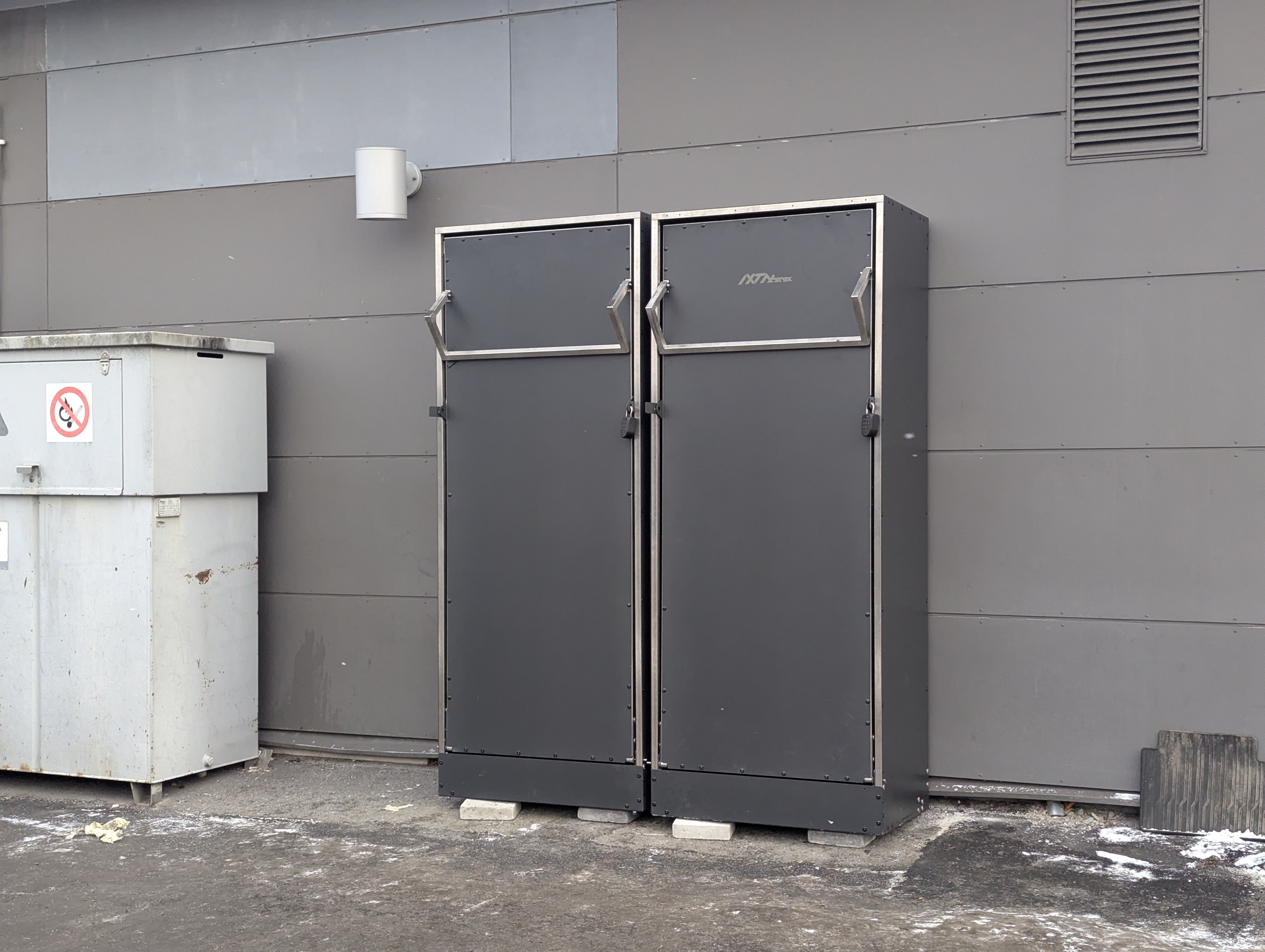
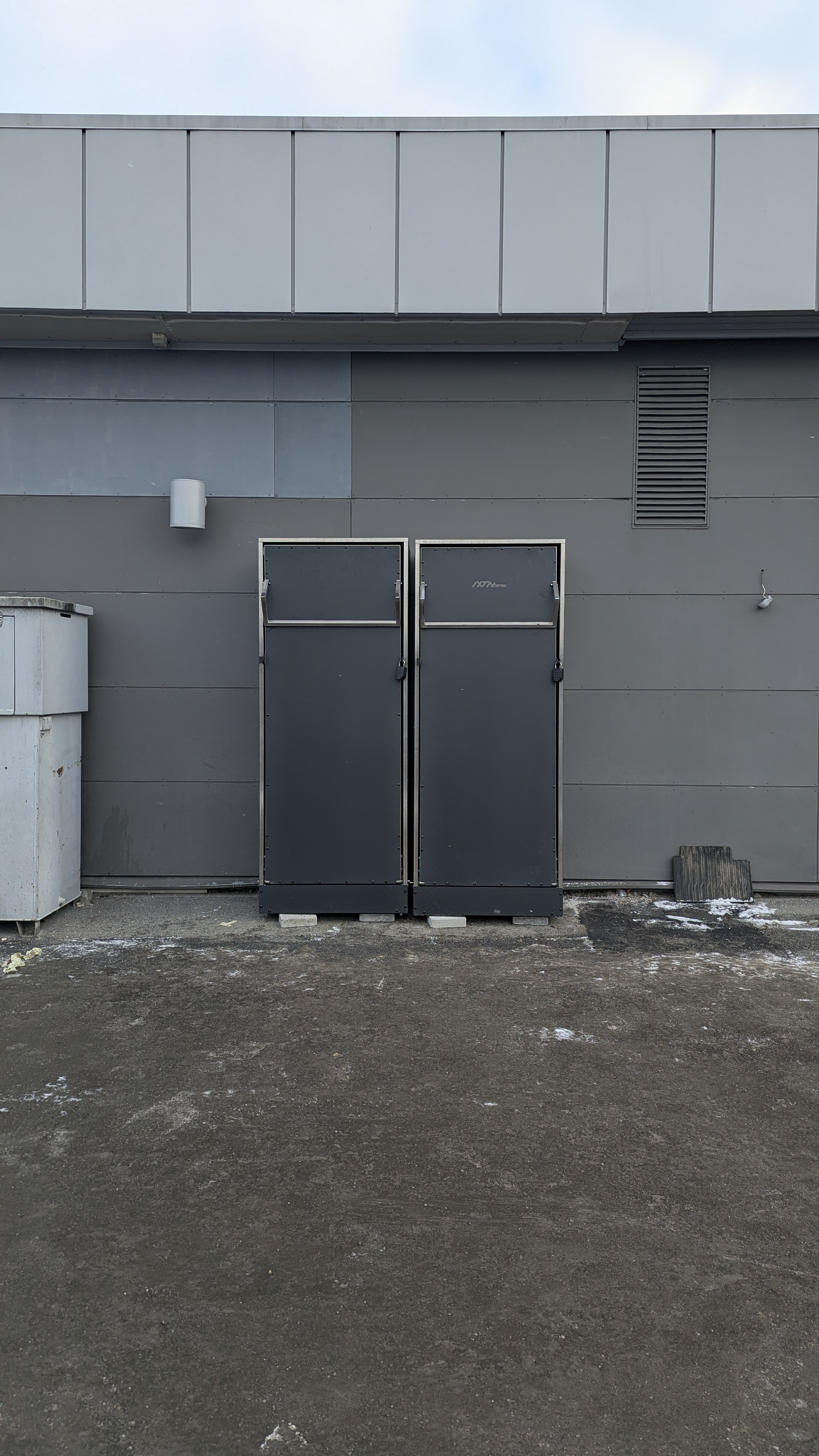
The production wardrobe stand installed on site, both doors closed and locked

01Brief

Rent a 30 kg box, unmanned.

IXTAbox wanted to add a rental offer without diluting its premium positioning or stationing staff at every site. The stand had to hold 4-8 boxes, run fully self-service, stay secure, and install as modular ground- or wall-mounted units.

The hard constraint was the box itself - large, ~30 kg, awkward to lift, valuable enough to lock down, and dirty from sitting near the rear tyres. Talking through the requirements reframed two of them: unmanned became fully self-service daily use with light maintenance once or twice a month, and since the box is already weatherproof, an open stand could showcase it and cut cost.

02Research

Break the stand into sub-functions.

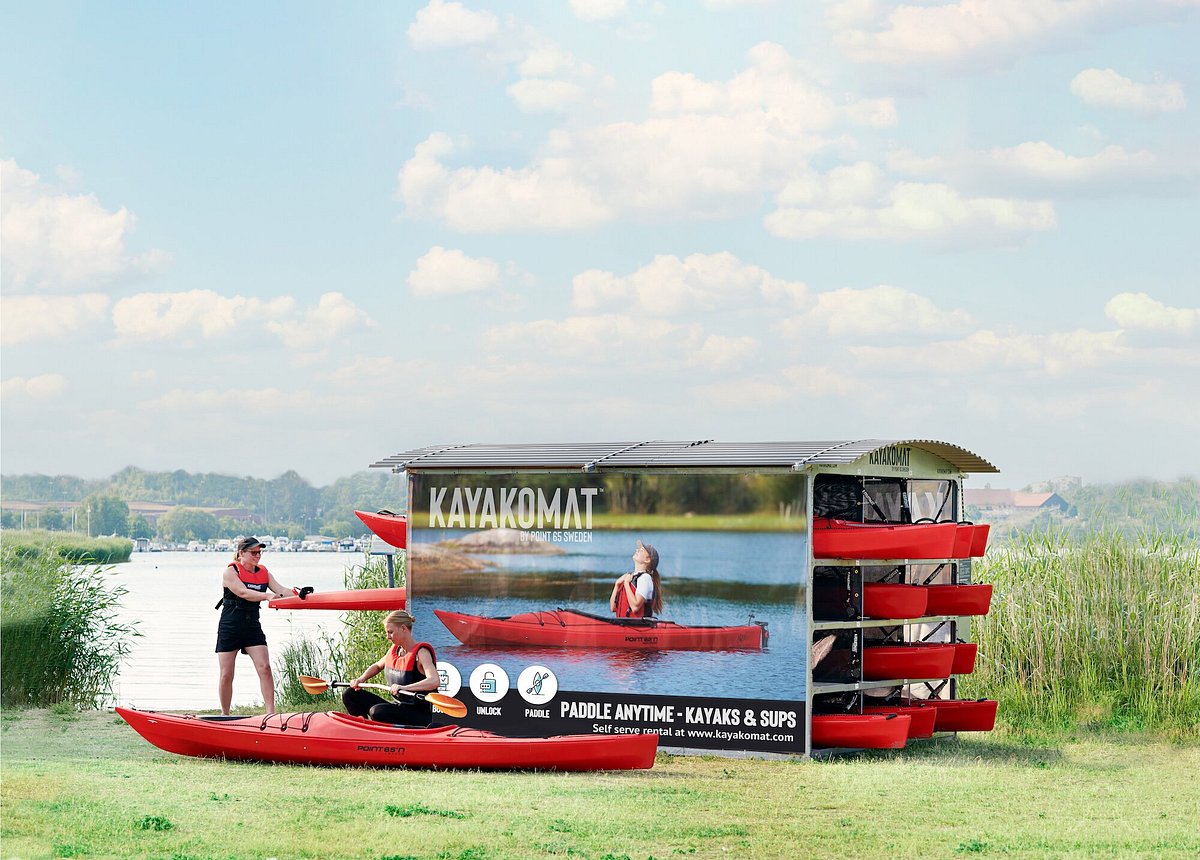
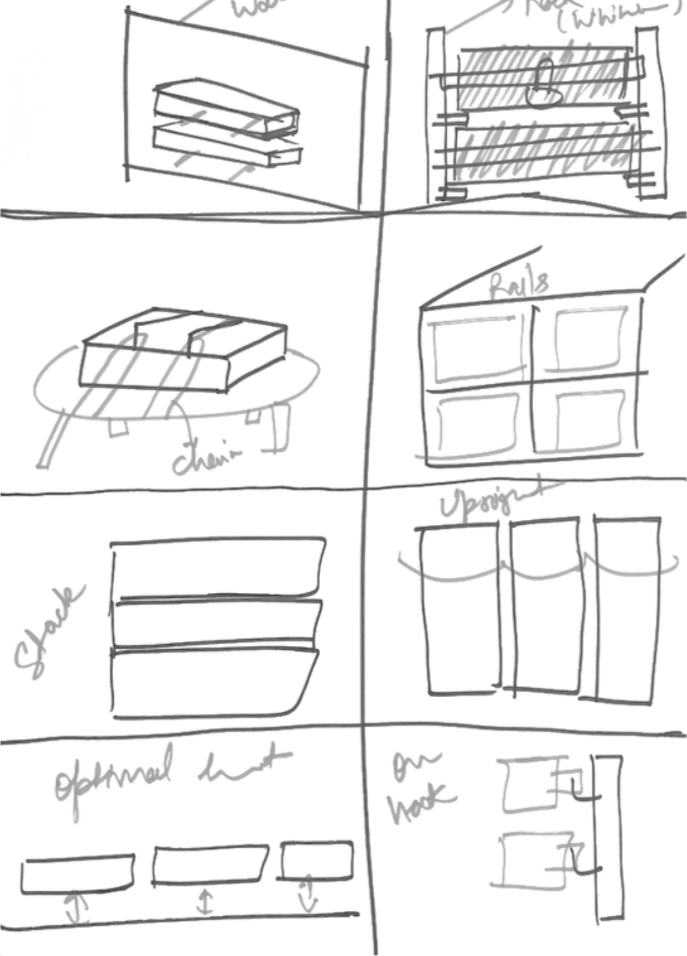
Following the Double Diamond, I split the stand into independent functions - lifting, locking, storage layout - and drew on self-service and everyday mechanisms: Kayakomat kayak stations, ski-rental lockers, overhead garage storage, ELFA shelving, and Igloohome smart locks. A Crazy 8 round generated directions; the strongest three moved on to 3D models.
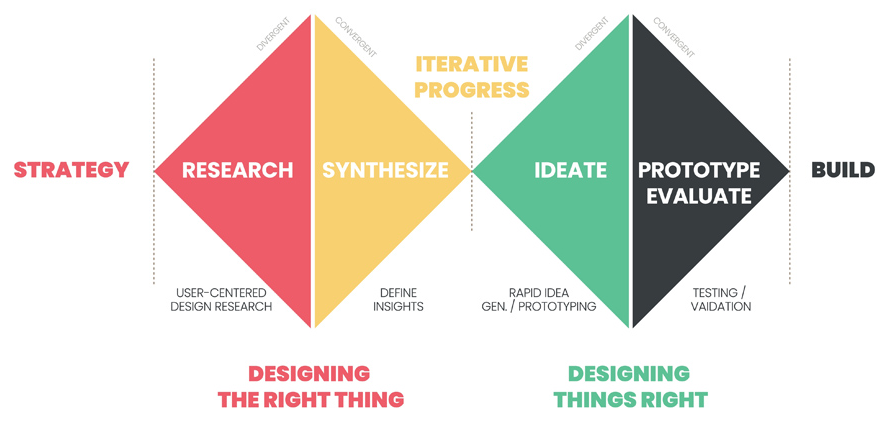
Double Diamond diagram: Research, Synthesize, Ideate, Prototype/Evaluate
Kayakomat self-service kayak rental station
Self-service ski rental station at the base of a ski slope at dusk
Crazy 8 hand sketches exploring rack, shelf, chair and lifting-mechanism ideas

03Concepts

Three concepts, one matrix.

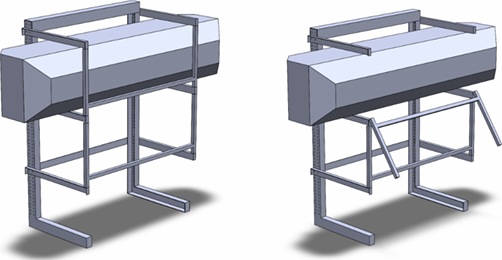
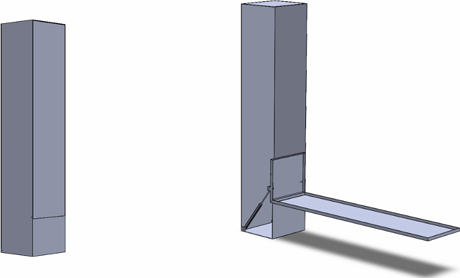
Concept 1 - Open shelf, side access: ELFA-style adjustable sheet-metal arms with a rotating hook lock (needs a slot machined into every box) and an external hydraulic trolley to move the box. Concept 2 - Wardrobe / Murphy-bed: fully enclosed; the shelf-door itself lowers to car height on gas springs and the box mounts directly - no trolley, weather-protected. Concept 3 - Open shelf, front access: like Concept 1 but a hinged front door instead of the hook; still trolley-dependent.

A weighted decision matrix put Concept 2 first, Concept 3 a close second, and Concept 1 last. Two were strong enough to justify building - so both Concept 3 and Concept 2 went to full prototypes.
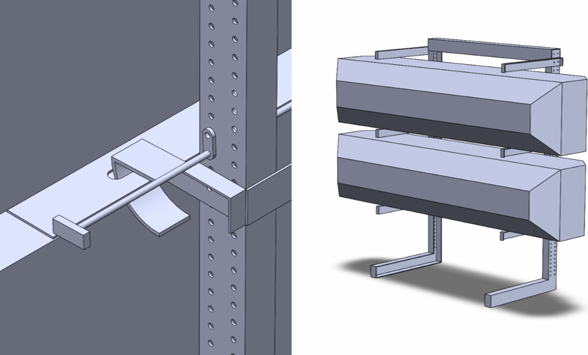
Concept 1 CAD - open shelf with adjustable arms and rotating hook lock
Concept 2 CAD - wardrobe / Murphy-bed, closed and with shelf-door lowered
Concept 3 CAD - open shelf with hinged front door

04Prototype 01

Open shelf, in stainless.

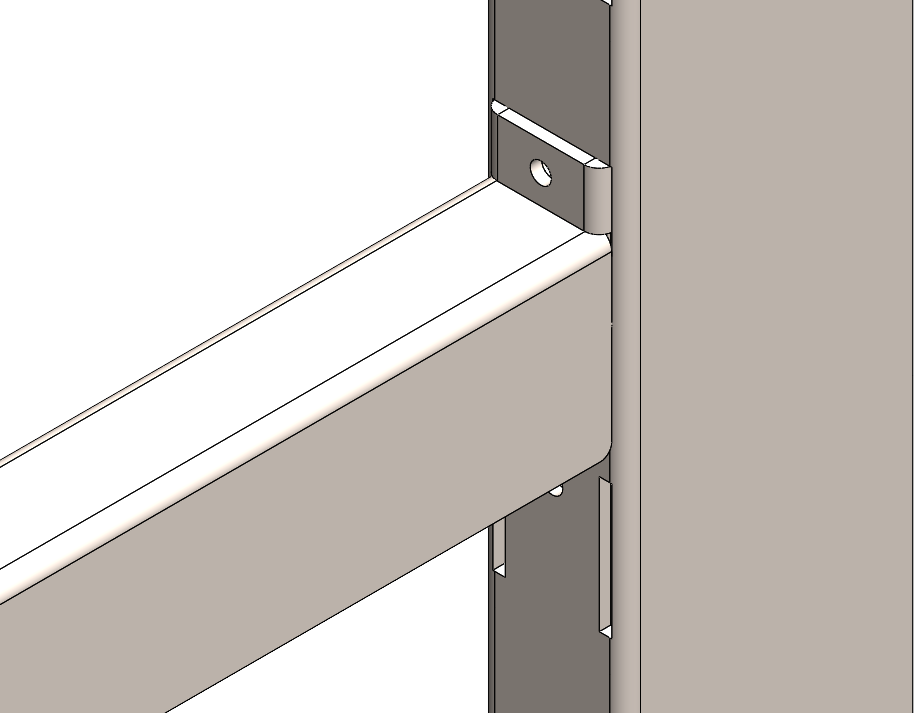
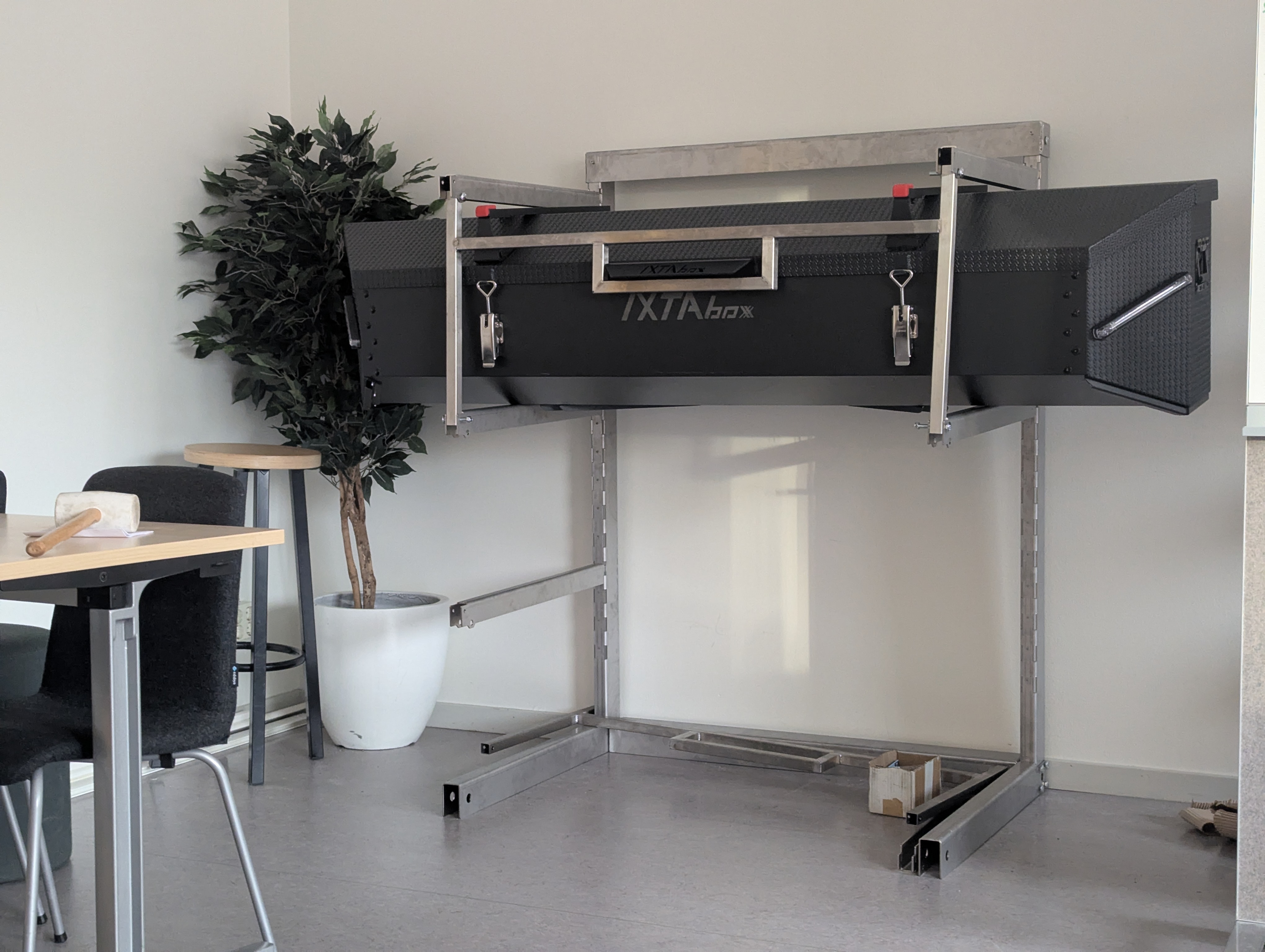
Concept 3, built in 3 mm stainless steel - laser-cut and bent. ELFA-style tab-and-slot arms lock onto the frame with riveted plates to resist tampering, and joints are kept minimal. It stacks two boxes vertically, with two stands sitting back-to-back; a welded stainless-tube front door is secured by an Igloohome smart lock and a slot that wraps the box handle.

Building it exposed tolerances that were too tight - friction hurt the experience - so it became the validated back-up, while its lessons (looser tolerances, a flipped base for better fitment) fed the next build.
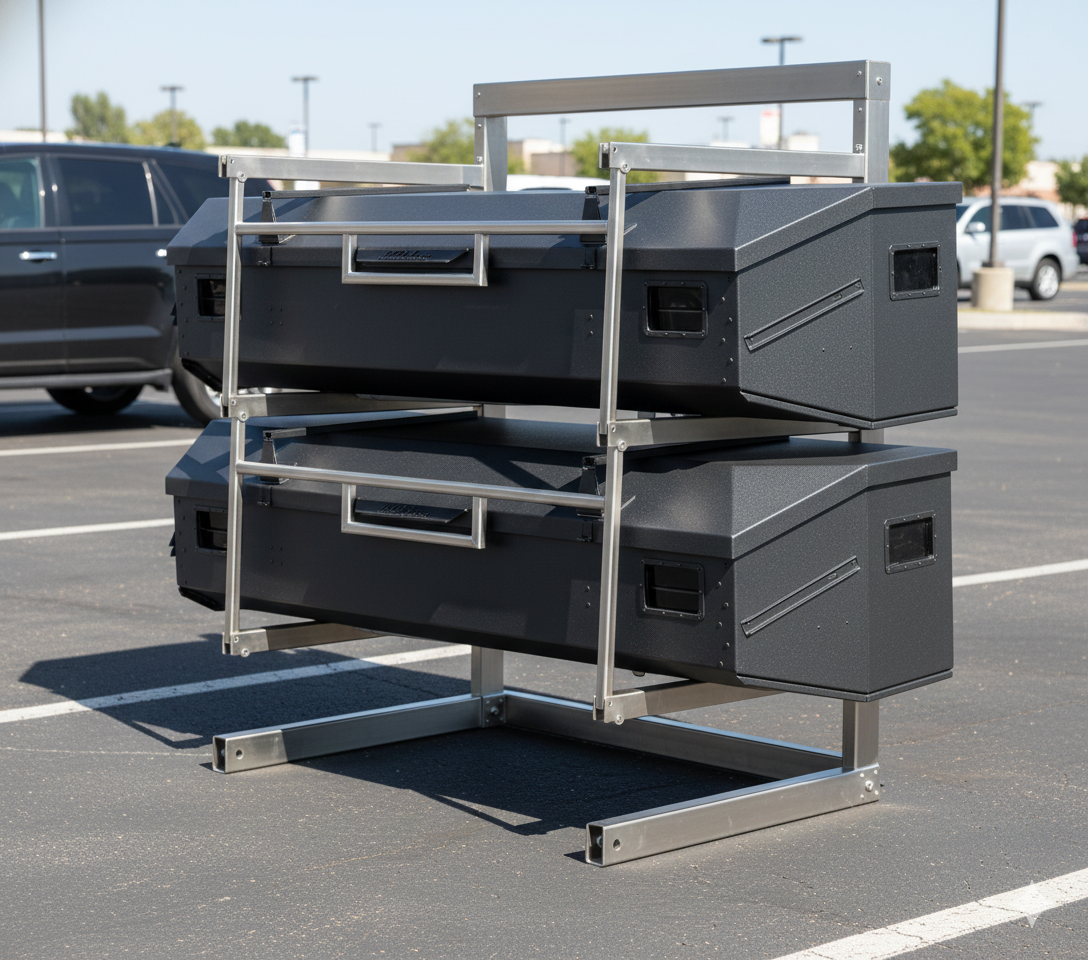
Render of Prototype 1 - two IXTAboxes stacked on an open stainless shelf with pull-out trays
IXTAbox raised on the open stainless shelf of Prototype 1
CAD detail of the ELFA tab-and-slot arm mounted on the frame
CAD detail of the front-door tube locking over the box handle

05Prototype 02 - Production

The wardrobe, with gas-spring lift.

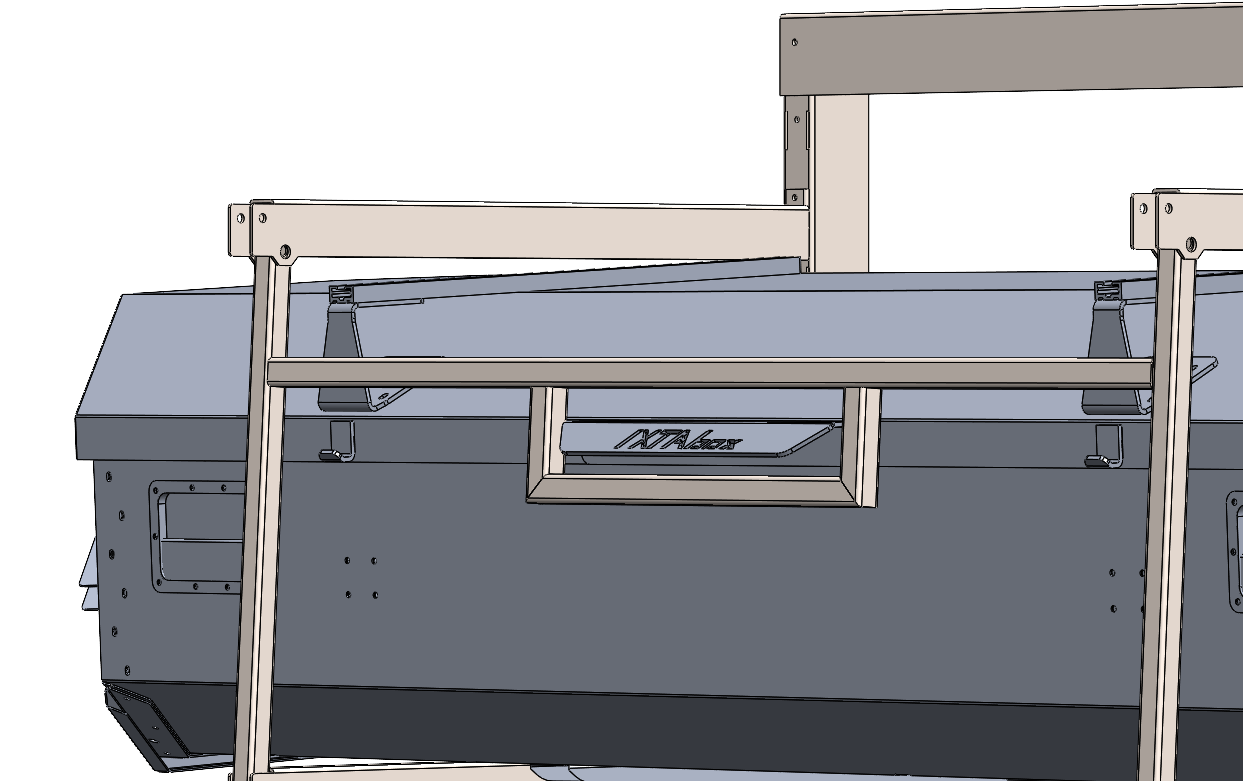
Concept 2 - the design selected to go to production. A tubular spaceframe is bolted to sheet-metal panels rather than welded, keeping cost down with laser-cut tubes held to tight tolerances. A pair of pull-type gas springs between the base and the wardrobe door carry the weight; the door holds the box on a buckle strap and swings on bearings.

Multiple gas-spring mounting holes let us tune spring force without redesigning the frame. A support leg doubles as the pull-down handle, adjustable feet level the stand on the forecourt's slope, and concrete ballast in the base keeps it planted.
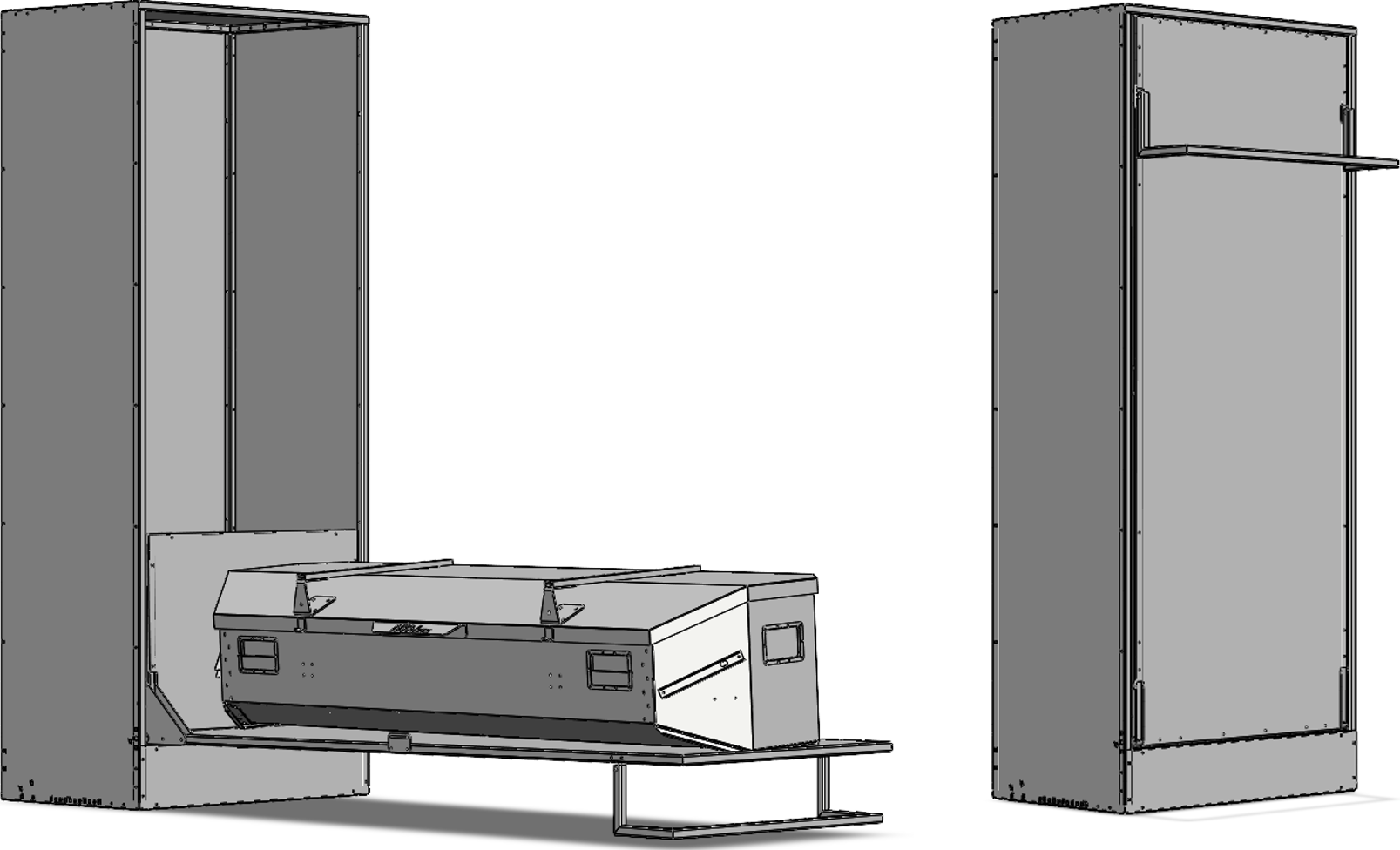
Concept 2 production CAD - the wardrobe stand closed, and with the shelf-door lowered to car height holding the box
The production wardrobe stand installed on a forecourt, both doors closed

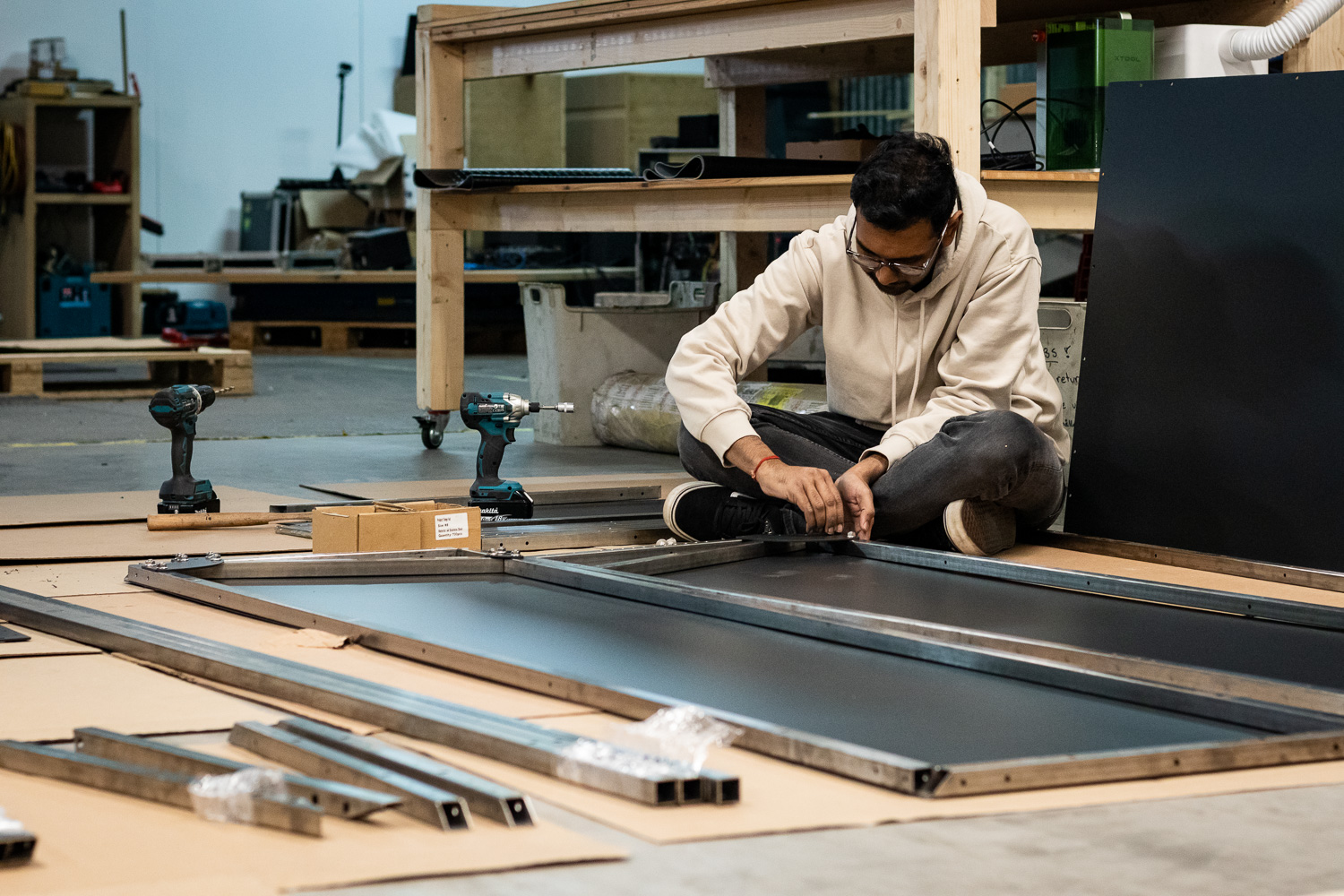
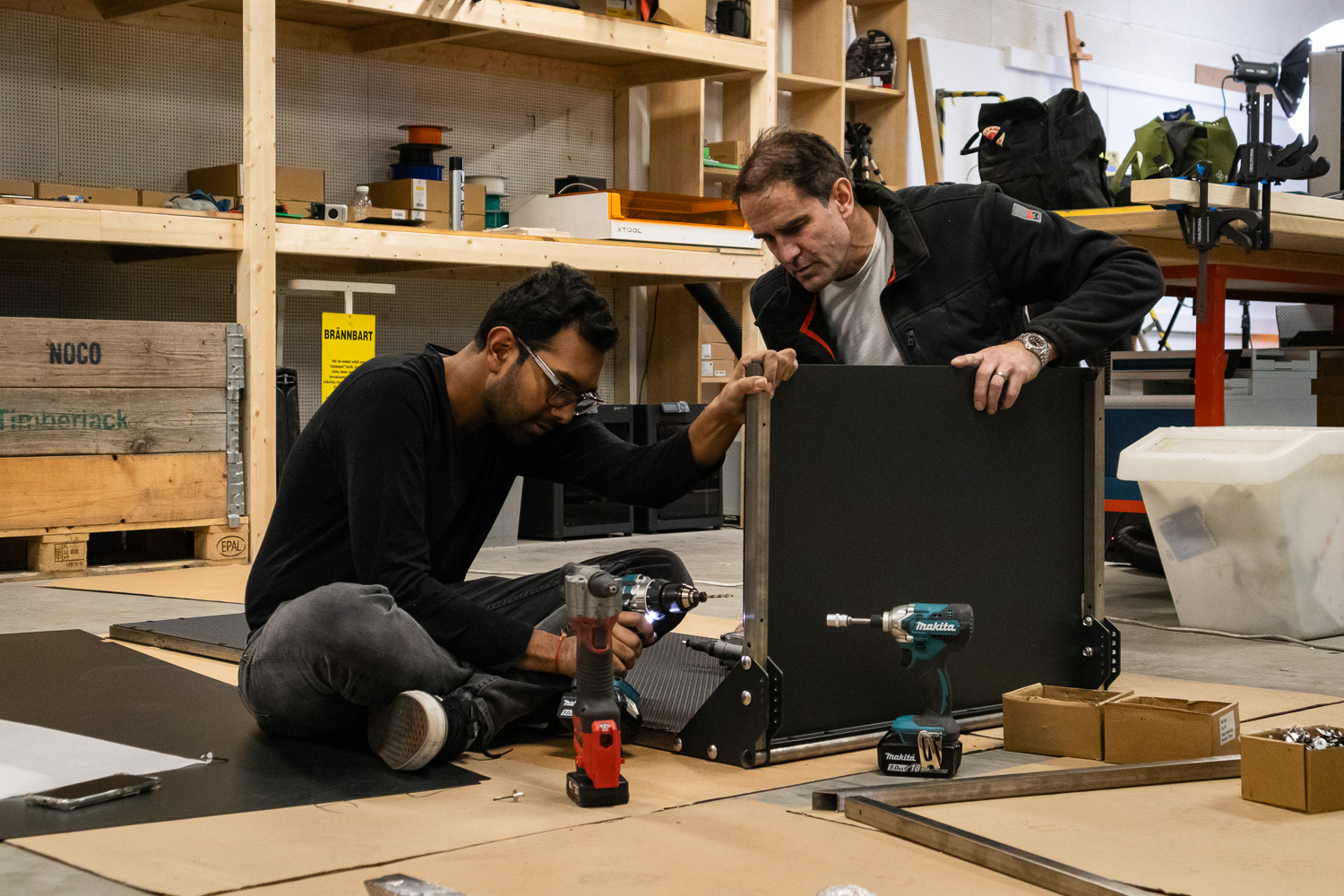
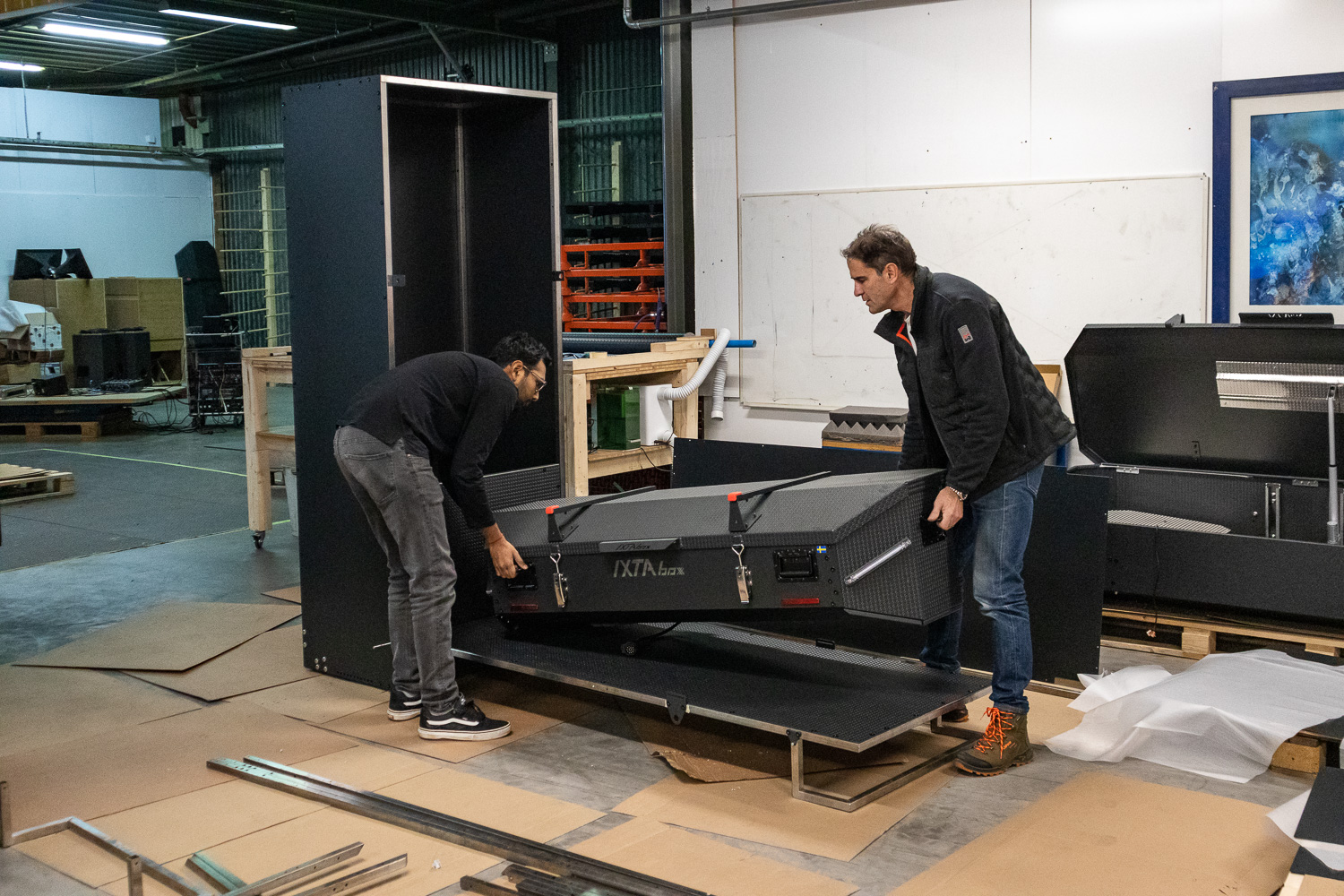
Fabricated and assembled by hand in the workshop - spaceframe, panels, and lifting hardware.
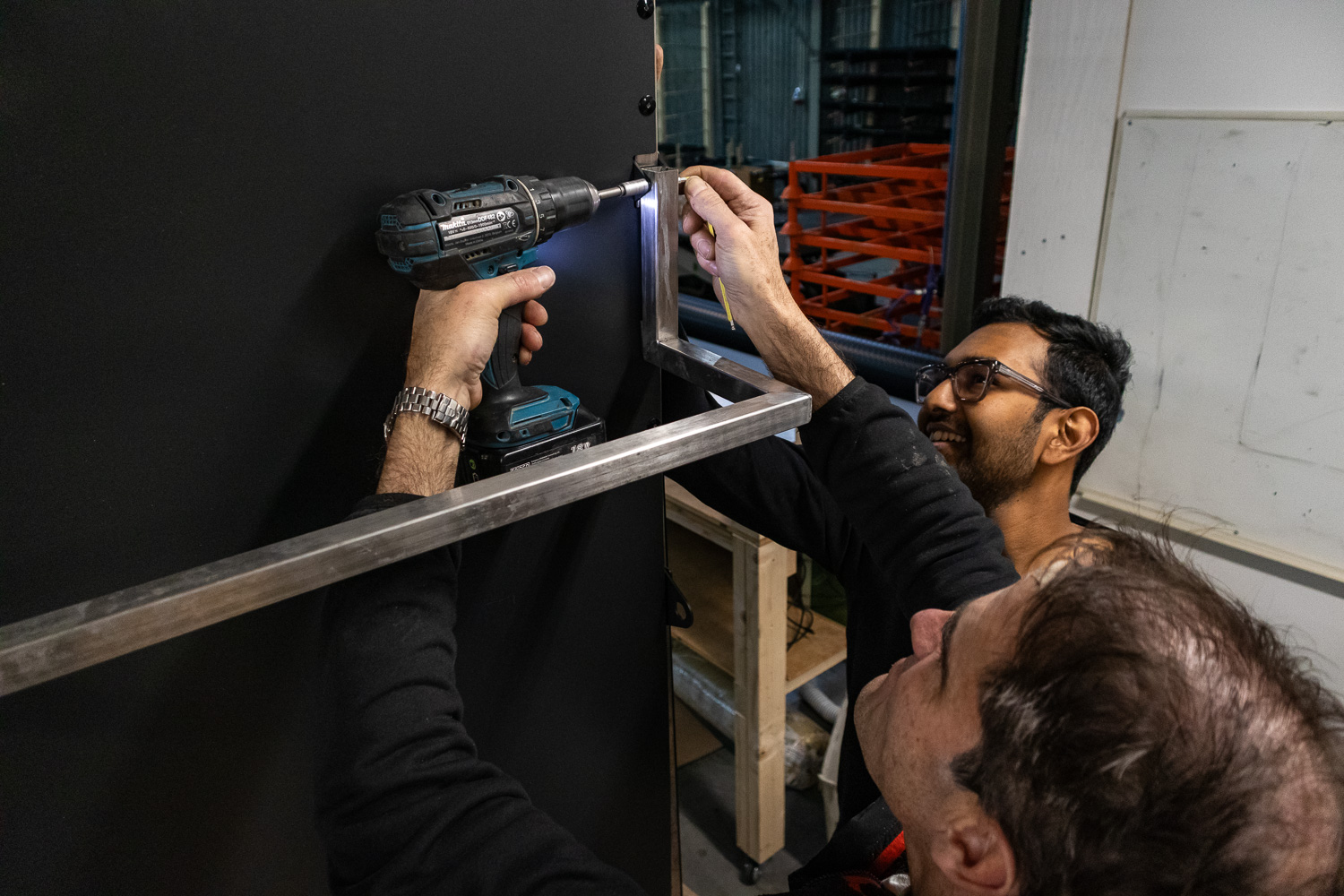
Two people fixing the metal back-box together with a drill
Assembling the stand with power tools in the workshop
Assembling the box surrounded by tools and materials
Two people moving the finished box in the workshop

06Deployed & Access

In the field, unlocked by phone.

The production wardrobe unit installed on a fuel-station forecourt in Stockholm. Access is keyless: Igloohome smart locks issue a time-limited PIN to the renter's phone the moment they book - no Wi-Fi at the stand, no staff on site. (The booking portal - a Google Maps stand finder, payment, and lock integration - ran as a parallel software workstream; my focus was the stand.)
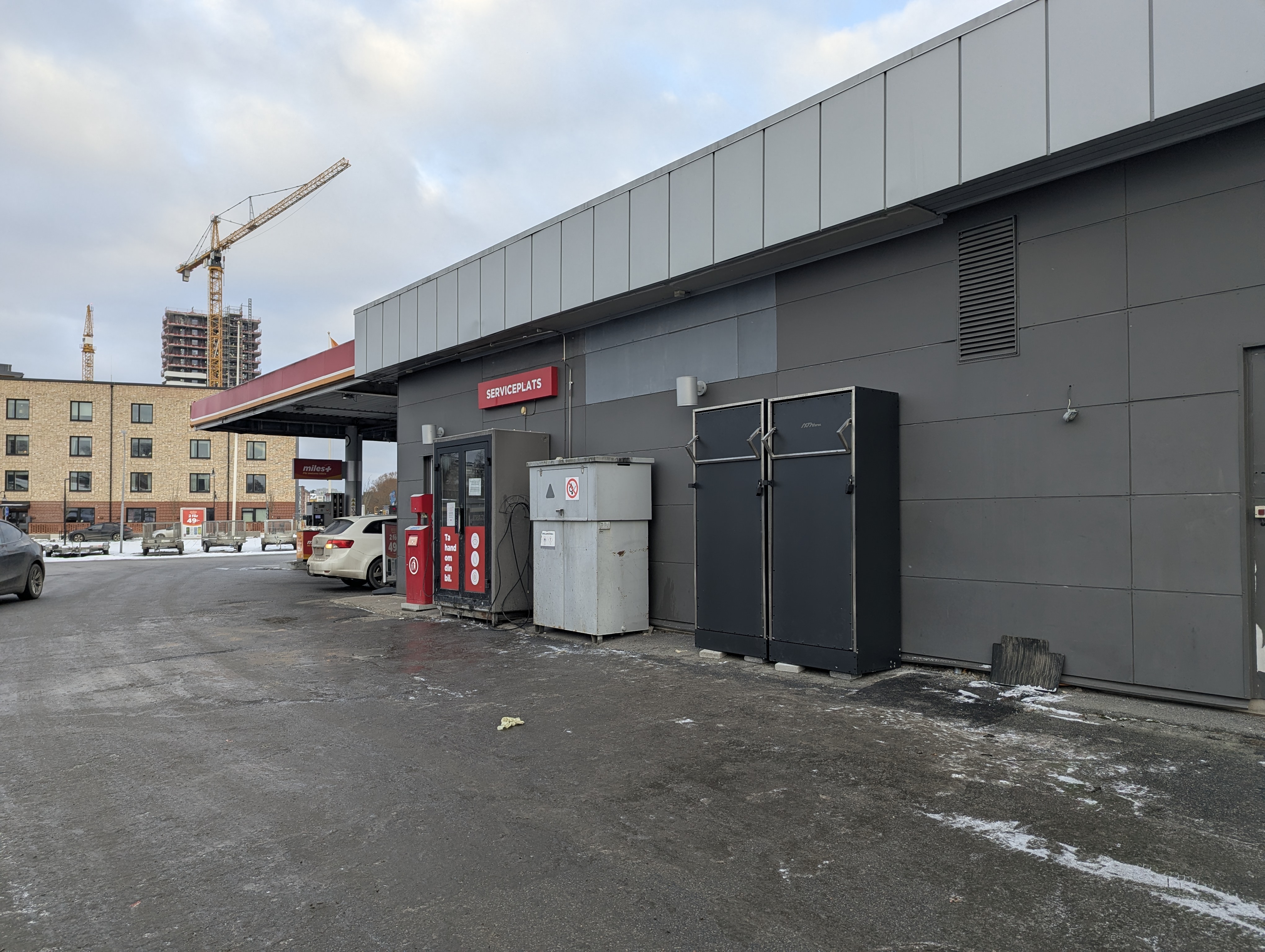
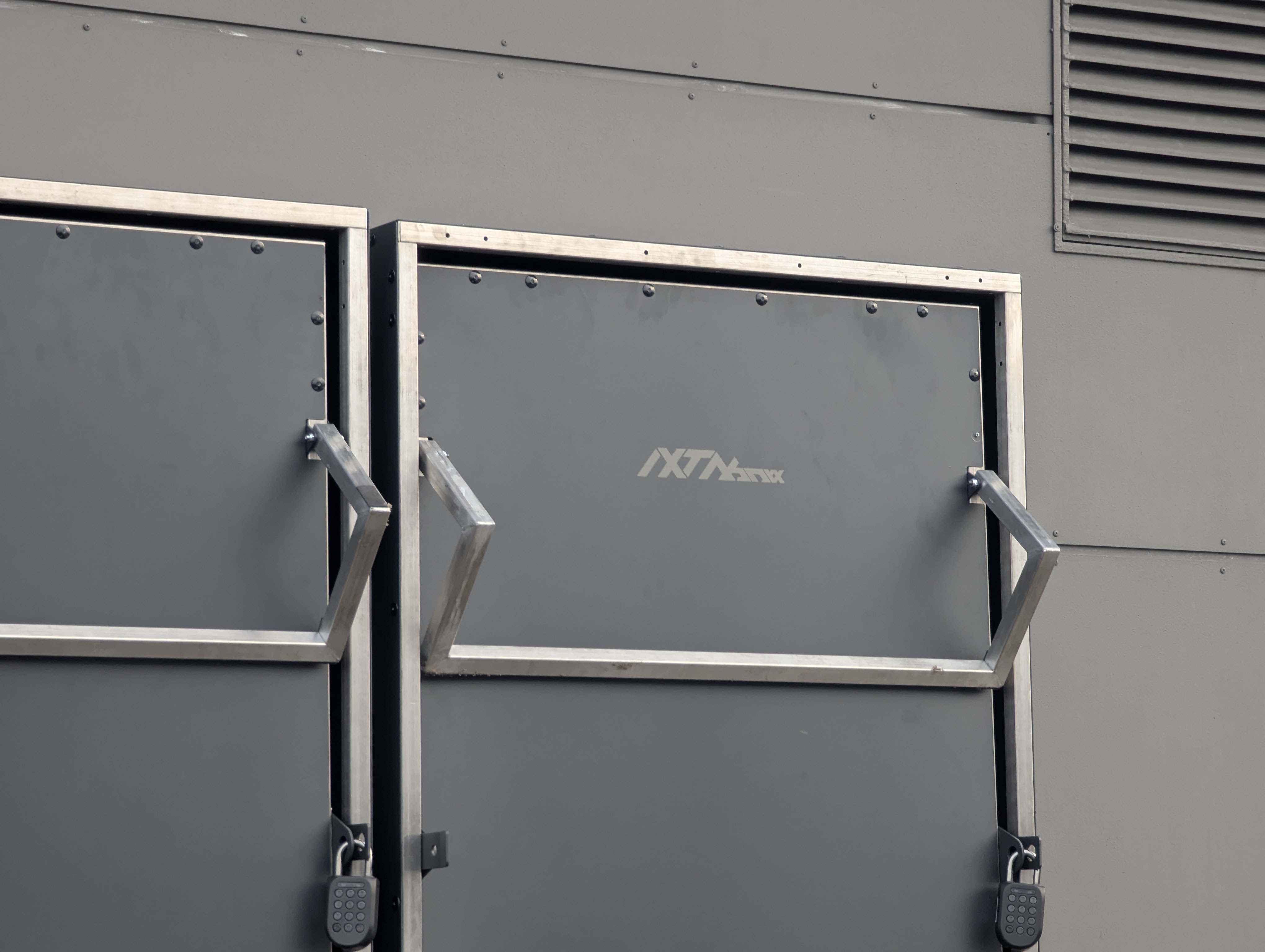
IXTArent stand deployed beside a Stockholm fuel-station forecourt in winter
Close-up of the stand doors, frame and IXTAbox branding
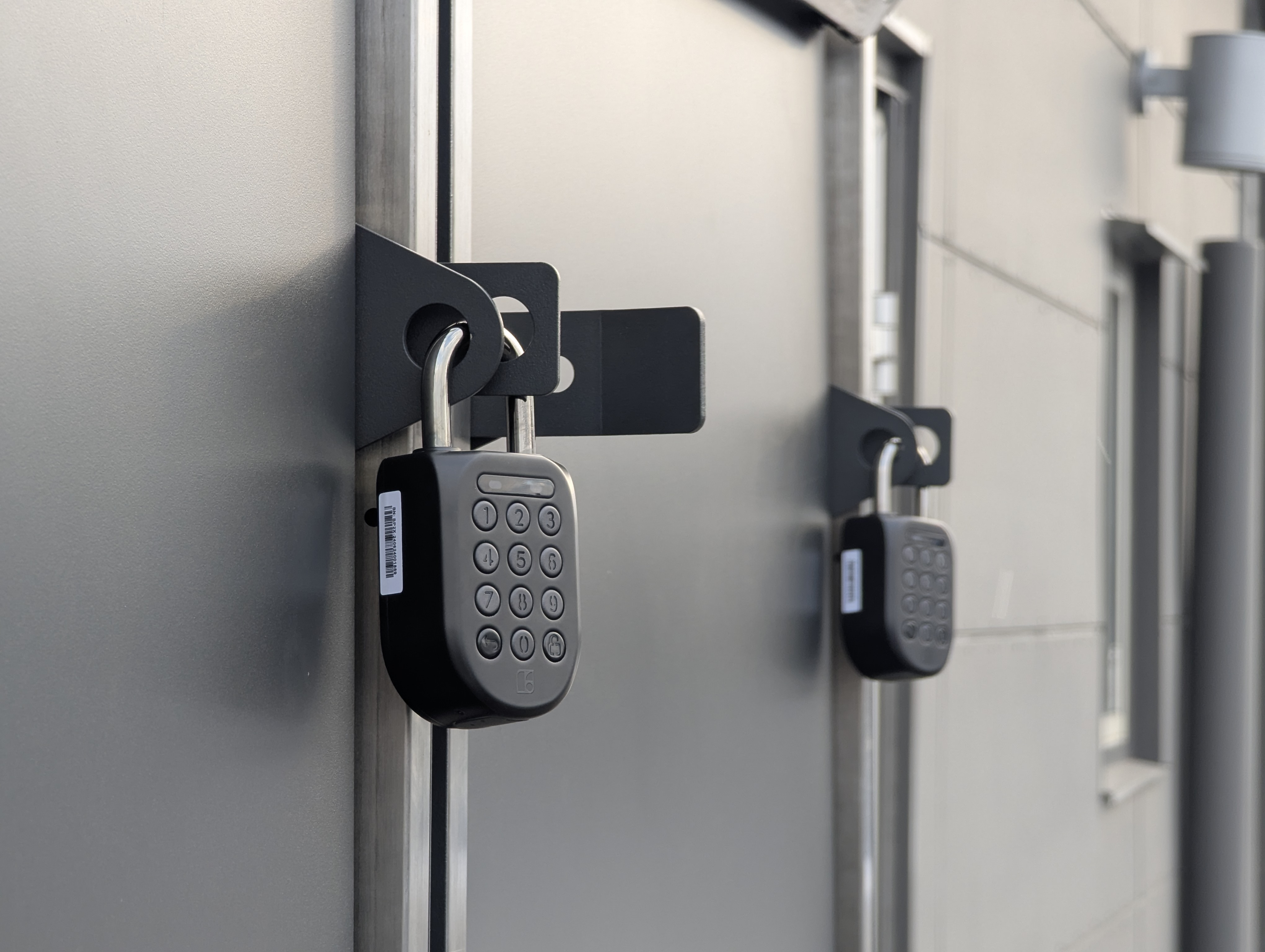
Igloohome smart PIN locks securing the stand doors

02 Kitchen Scale - Clas Ohlson Study INDUSTRIAL DESIGN COURSEWORK

Meet Pluto

Pluto is a kitchen scale designed around a real brand. The course brief was to take Clas Ohlson - the Swedish home-goods retailer known for being practical and accessible rather than premium - and design a product that genuinely lives up to that reputation. We carried it from brand analysis through sketching, a foam study model, and a resolved 3D design into manufacturing and packaging.

Group project · KTH industrial design coursework

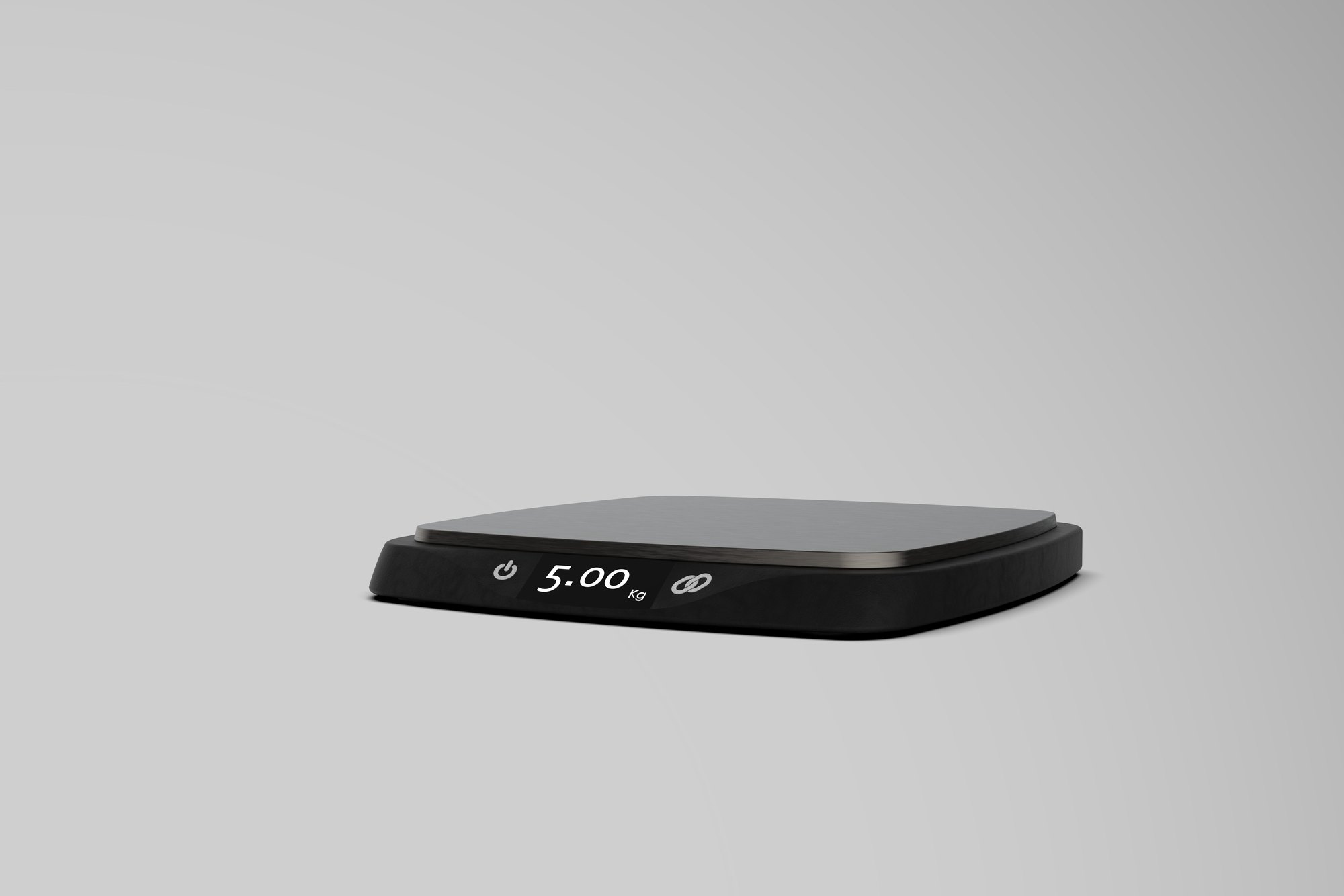
Pluto kitchen scale - black body with a brushed stainless top and a 5.00 kg digital display, on a neutral grey background

01Brief

A brand to live up to, not a client to please.

This was a team brief for a design course, not a commissioned or sponsored project - worth being honest about that. We chose Clas Ohlson as the case-study brand: practical and accessible rather than luxury, but still properly designed. The exercise was to make a product that earns that reputation - nice, usable, and well-considered, without pretending to be a premium object. A kitchen scale felt like the right scope: everyday, unglamorous, and easy to get wrong.

02The brand

Three pillars, all true at once.

We pulled Clas Ohlson's identity down to three pillars and used them as the decision rules for the whole project. Accessibility - it should feel easy and unintimidating to use. Inspiration - it should make an everyday task feel a little better, not merely functional. Expertise - the detailing should show real thought rather than decoration. The discipline was keeping all three true at once, instead of letting "accessible" become an excuse for the design to be dull.

03Concept & sketching

A mood board, then a screen you can actually read.

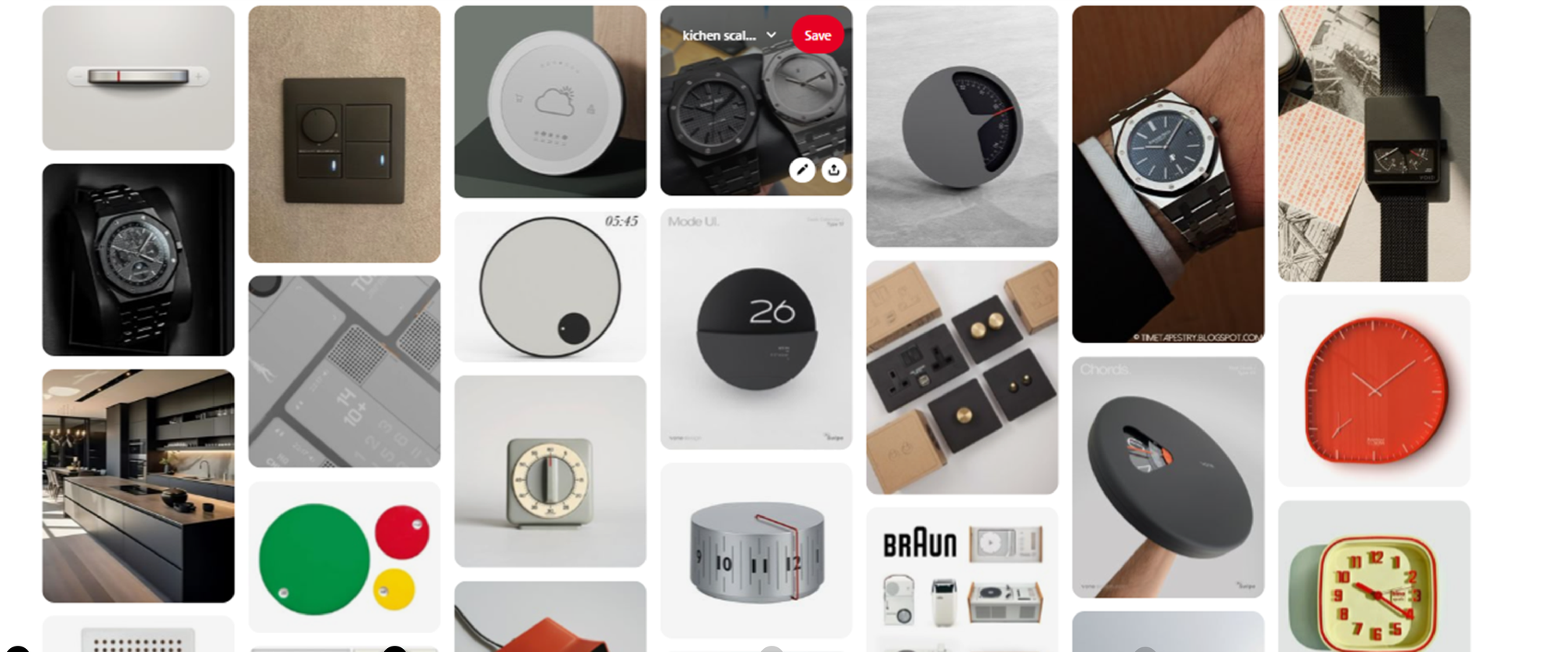
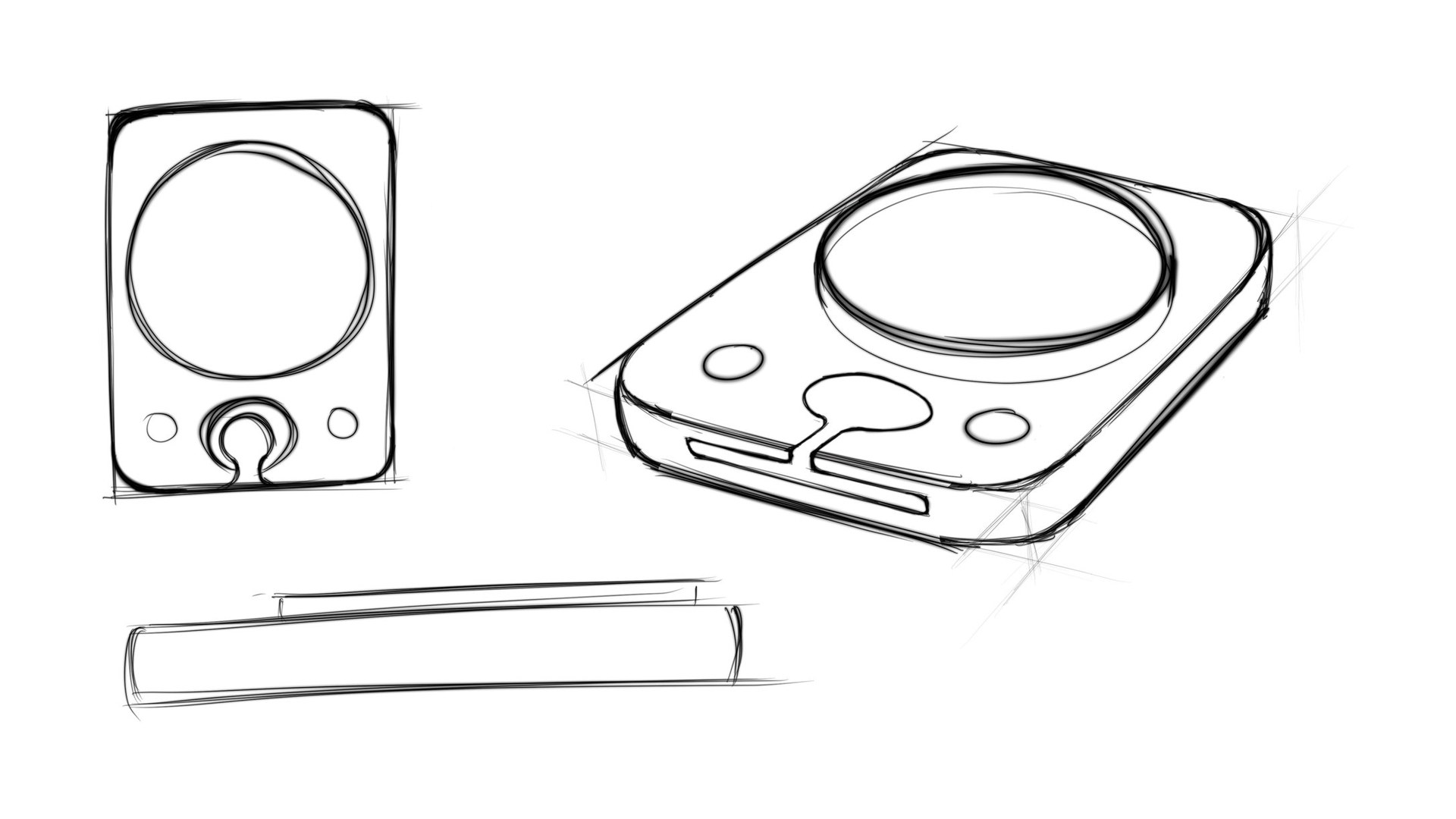
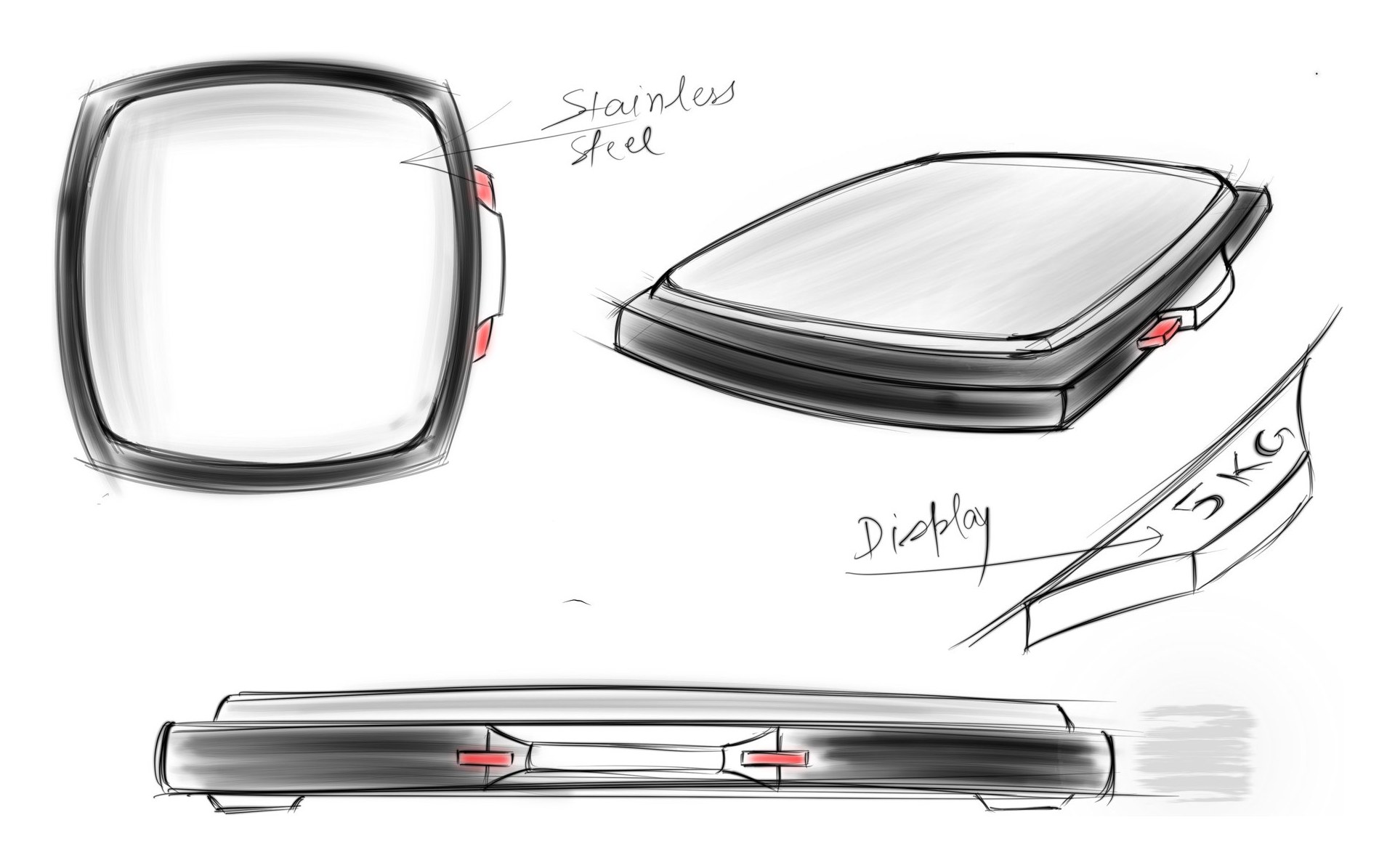
We started with a mood board - clocks, watches, switches, scales, a lot of Braun - to settle a quiet, tactile material language before drawing anything. From there the sketching homed in on one idea worth keeping: an angled screen set into the front lip rather than flat on top, so the readout stays legible while you're standing over a bowl. Stainless steel for the top, a soft rounded-square footprint for the body.

Mood board of reference products - clocks, watches, wall switches, scales and Braun appliances in muted tones
Early ideation sketches exploring round and rectangular display layouts
Concept sketch of the scale - stainless steel top, rounded-square body and an angled front display reading 5 KG

04Concept development

The foam model caught what the screen couldn't show on paper.

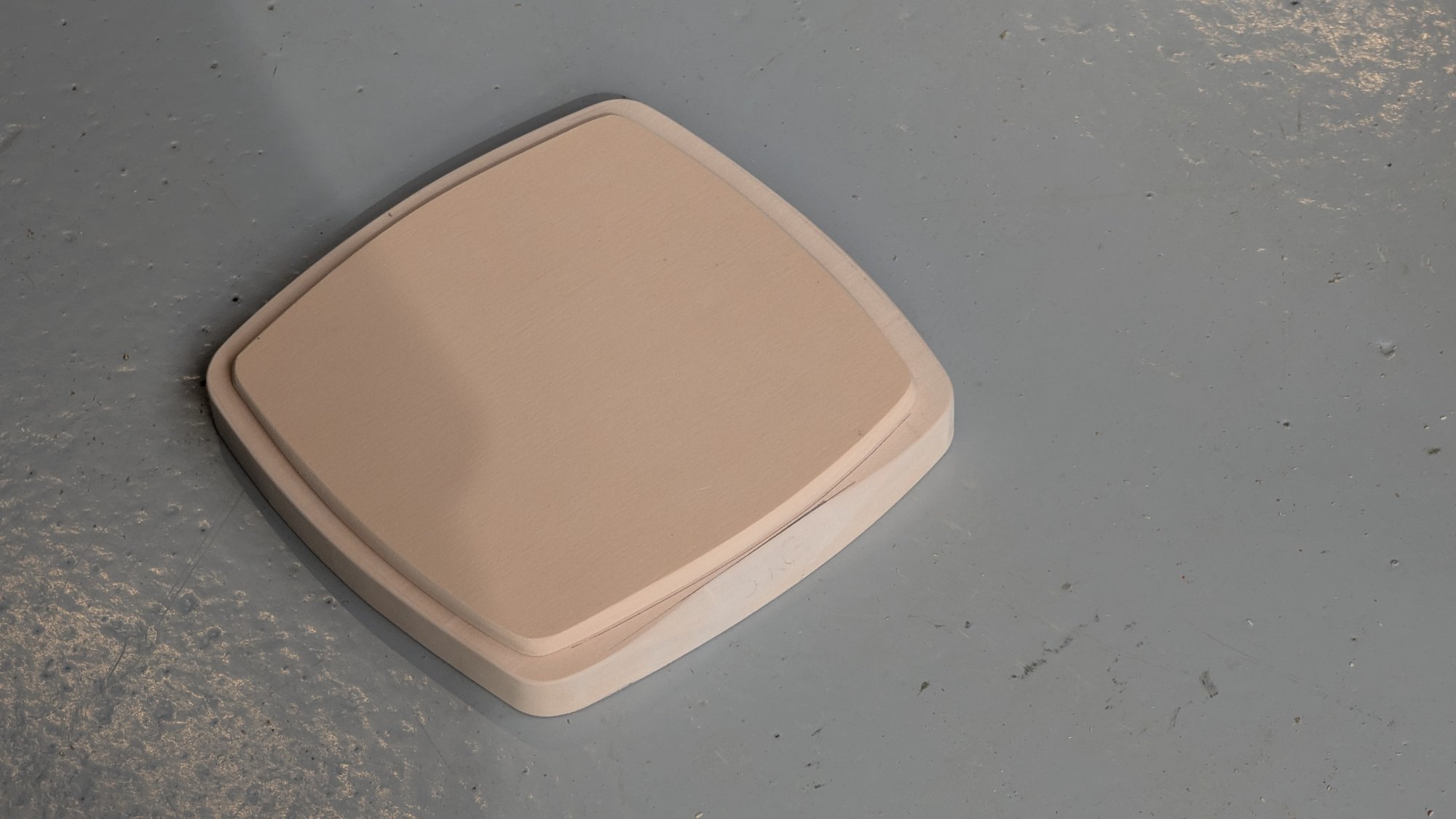
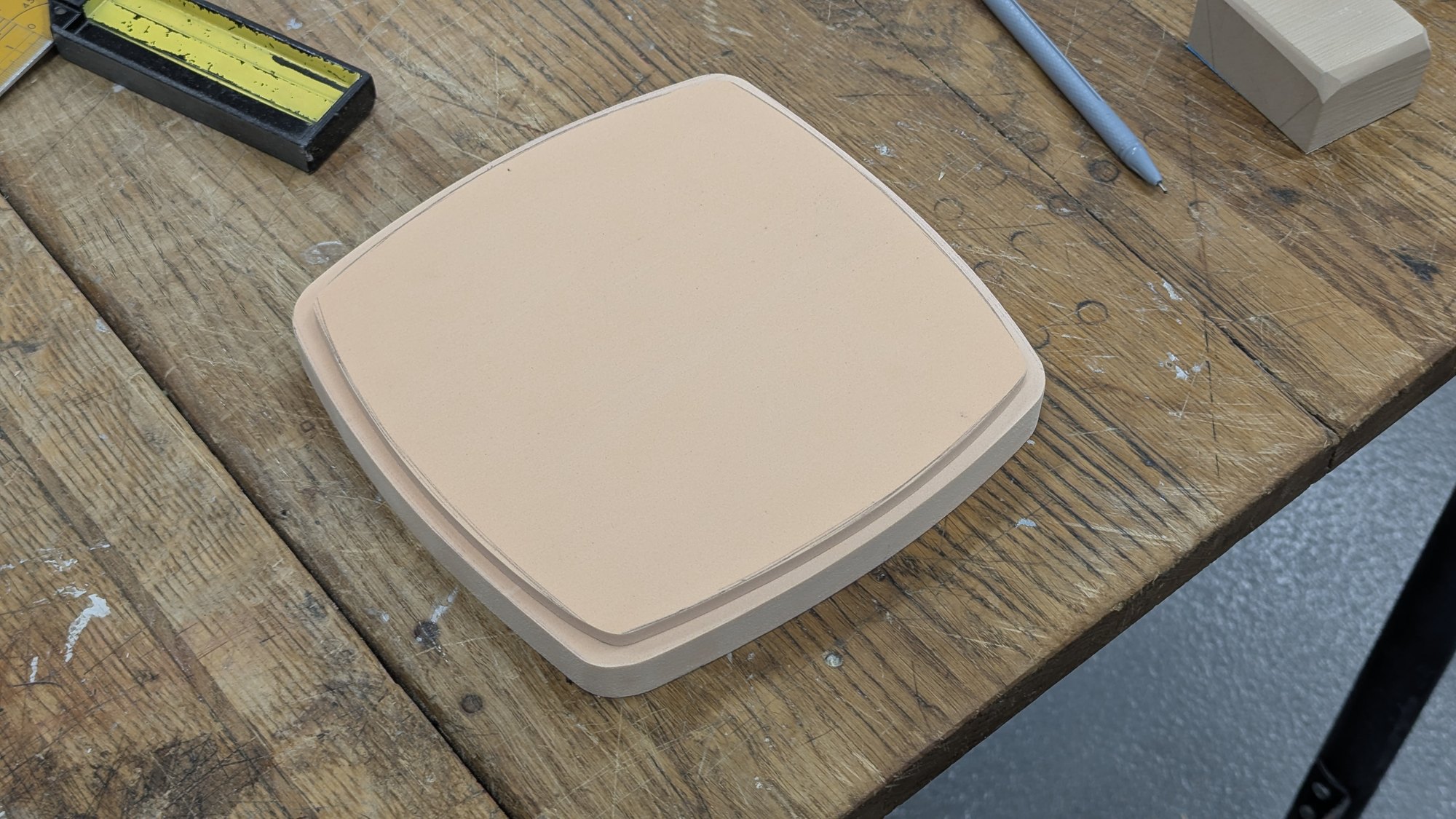
We cut a foam study model to check the proportions in the hand - the fastest way to feel whether the rounded-square body actually reads as soft rather than bulky. It did, but it also made one problem obvious: at that scale the display was simply too small. Holding the model is what told us; the sketch never would have.

Blush foam study model of the scale, rounded-square with a thick pillowed edge, shot from above
The same foam model on a workshop bench beside marking tools

That fed straight into the 3D model shown above, where the display grew to a size you can read at a glance and the rest of the spec settled: a stainless-steel top, a moulded plastic base, a digital display, and smartphone connectivity for logging weights. The result keeps the soft footprint from the foam study but earns the "expertise" pillar in the detailing.

05Manufacturing & packaging

Cheap to make, light to ship.

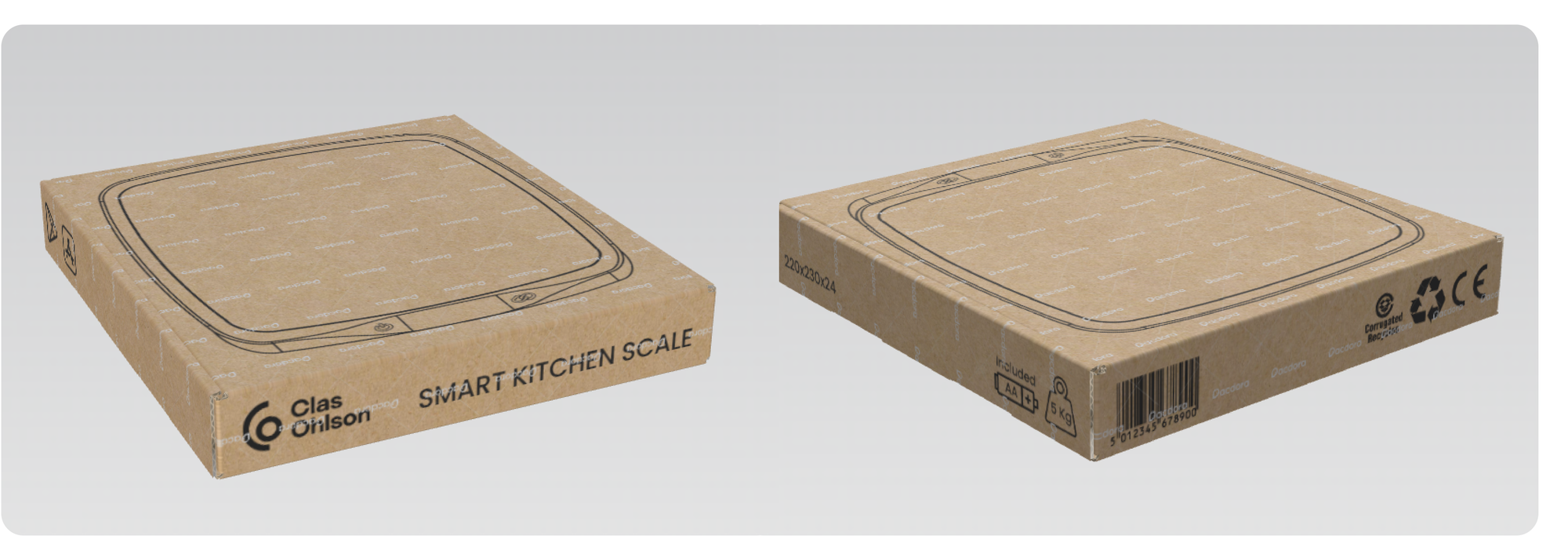
In keeping with the accessible-but-considered brief, the manufacturing plan stays deliberately ordinary: an injection-moulded plastic base with a stamped stainless top - high-volume processes that keep the unit cost where a Clas Ohlson product needs to sit. The packaging follows the same logic: minimal printed cardboard, sized tight to the product, with the Clas Ohlson mark and recycling marks straight on the box.

Two views of the minimal kraft cardboard packaging, printed Clas Ohlson Smart Kitchen Scale with recycling marks

06Final design

Pluto, on the counter.

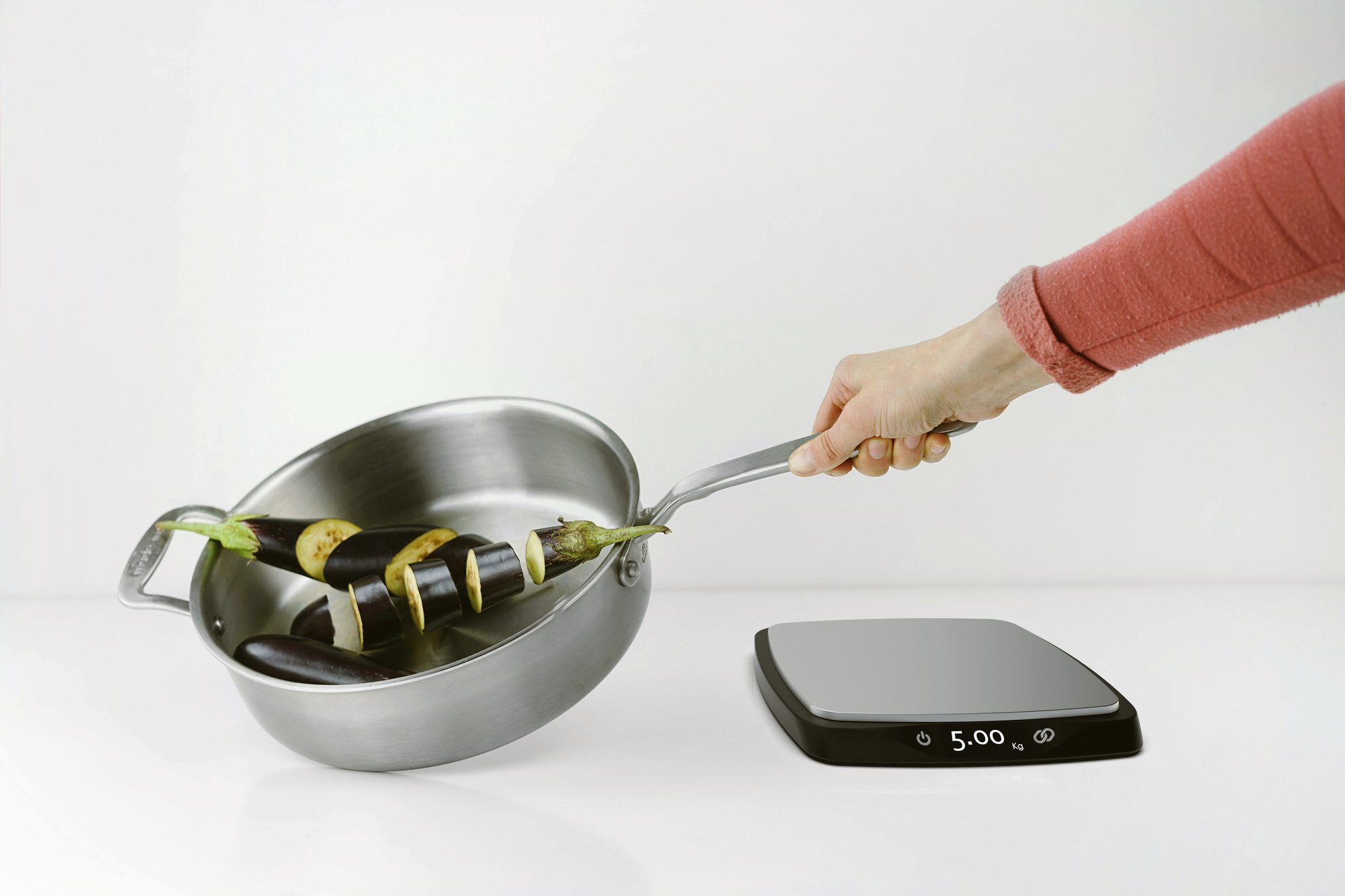
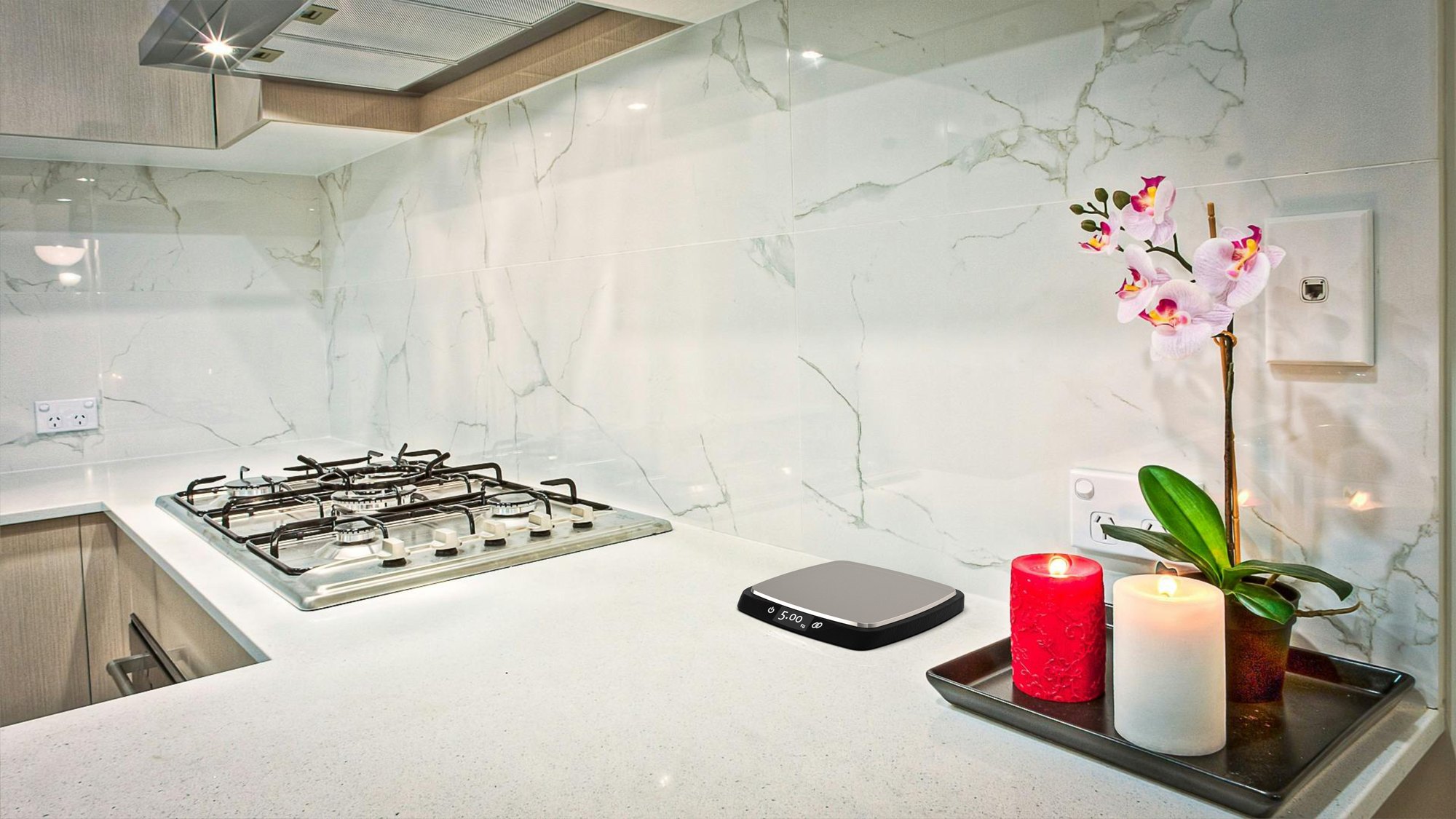
The final design is shown in render rather than as a built unit - the physical outcome would be a 3D-printed or CNC-milled model, so these are renders for now. They put Pluto where it belongs: a calm object on a worktop, the display doing its job mid-cook rather than competing with the kitchen around it.

Pluto in use - a hand tips chopped vegetables from a pan beside the scale reading 5.00 kg
Pluto on a marble kitchen counter beside a gas hob, orchid and candles

03 CAD & Surfacing SOLIDWORKS FEATURE

The Lamborghini Huracán

I have always been a crazy, crazy automotive enthusiast. One day, out roaming the city with my uncle, we spotted a Huracán parked behind a glass garage door - my mum was in the car with us - and that was that. I was already teaching myself surfacing in SolidWorks at the time, so I thought, you know what, let's just give it a shot. Nothing crazy: I pulled a set of blueprints off the internet and started modeling. This was the result - and it later got featured on the official SolidWorks Instagram page.

Personal project · Modeled in SolidWorks · Rendered in SolidWorks Visualize

Render of the modeled Lamborghini Huracán in red with white racing stripes, parked on a city street

01Why this car

A learning exercise that got out of hand.

This started as nothing more than a way to practice surfacing - the hard part of SolidWorks, where you're chasing smooth, continuous body panels rather than blocky solids. The Huracán was the obvious subject: I'd just seen one in the flesh, I'm a lifelong car nut, and its faceted, sharply creased bodywork is exactly the kind of shape that punishes sloppy surfaces. I pulled blueprints from the internet, dropped them in as reference planes, and built the body up panel by panel.

02The build

Surfaces first, details after.

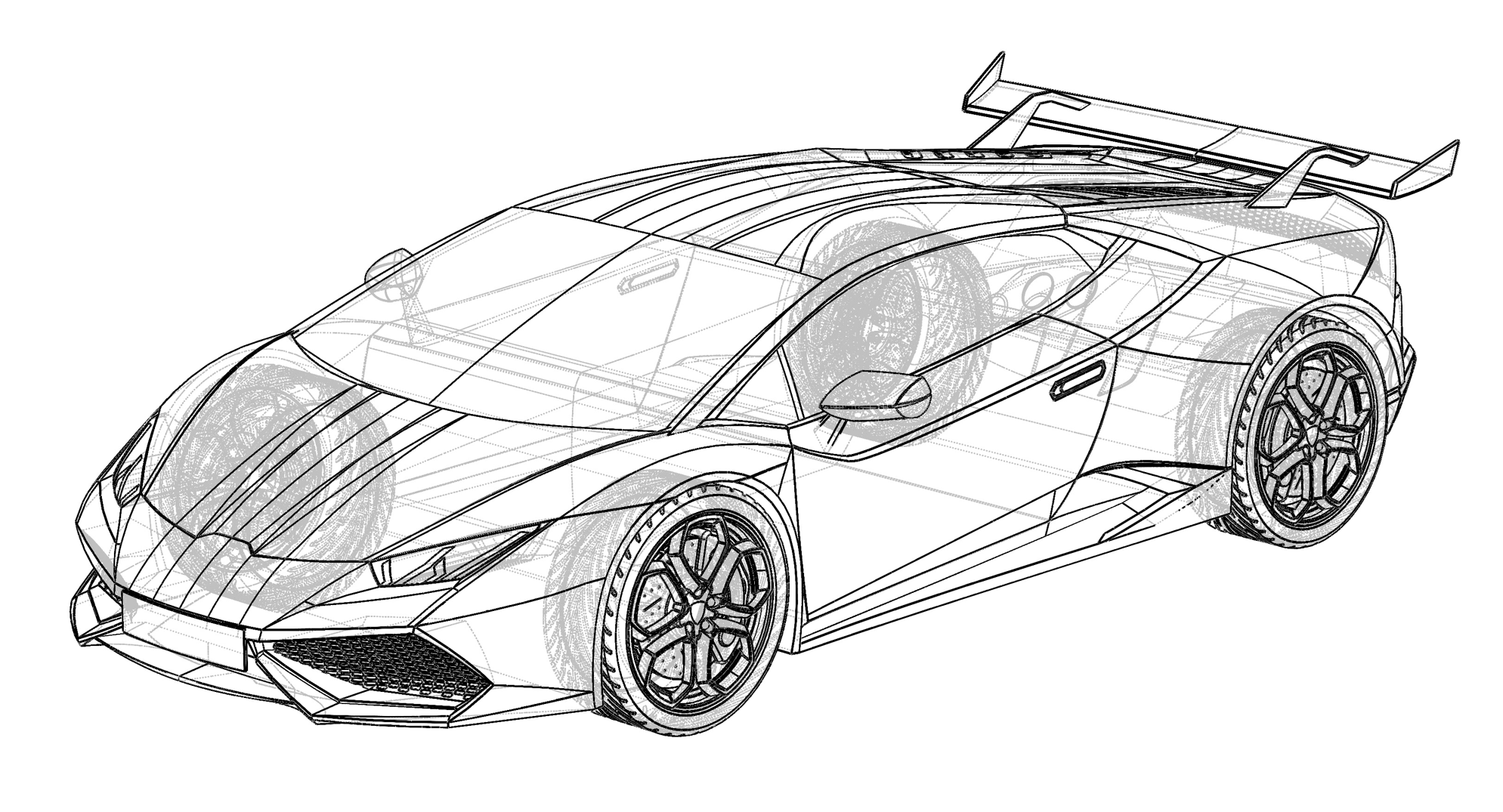
The whole car was modeled from those reference blueprints - getting the proportions and the major surfaces right before adding the headlights, intakes, mirrors, wing and wheels. Then it went into SolidWorks Visualize for materials, lighting and environments, which is where it stopped feeling like a CAD file and started looking like a car.

Wireframe line view of the Huracán SolidWorks model, showing the surfaced body panels, wheels and rear wing
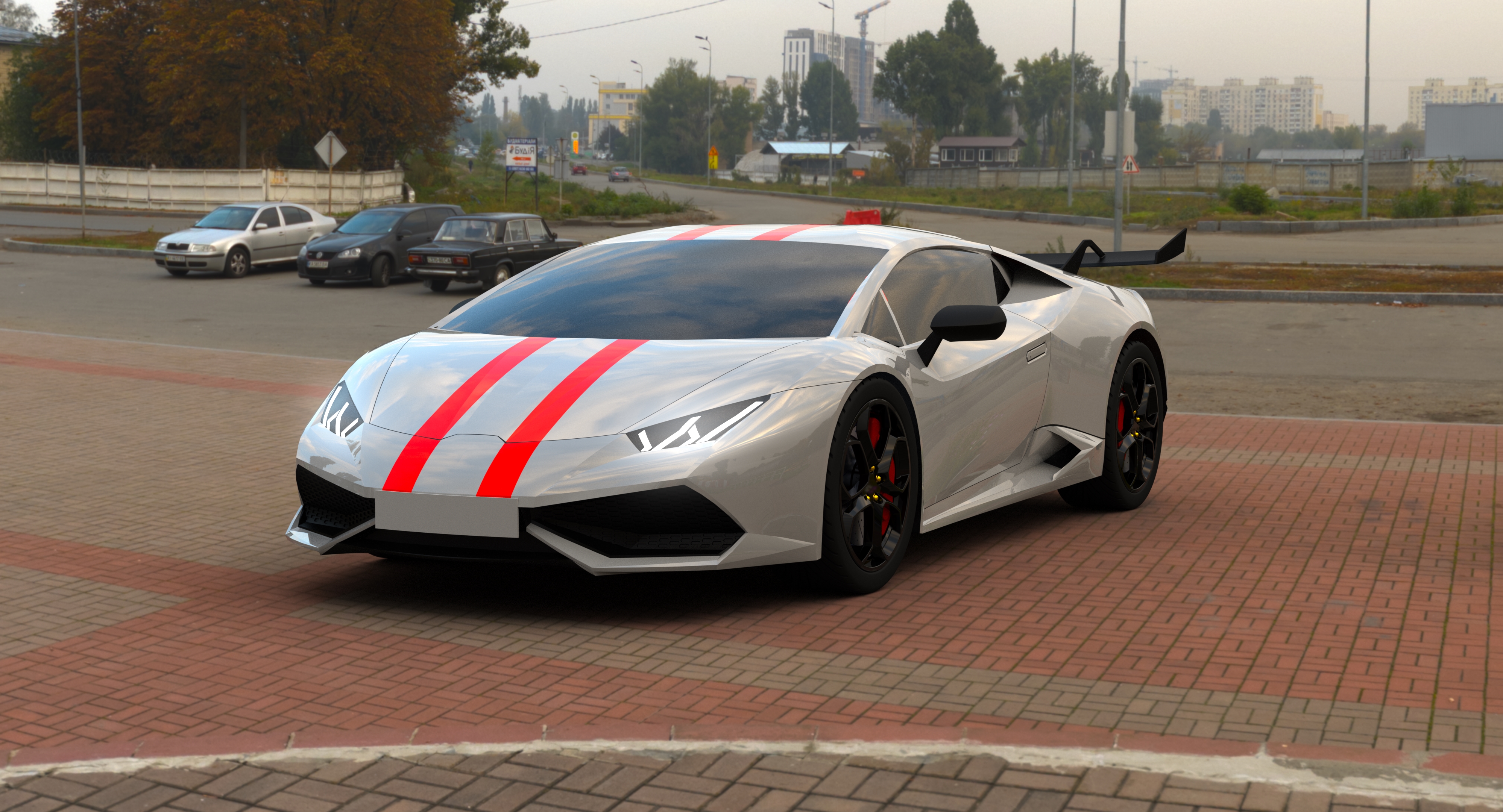
Silver Huracán with red stripes rendered on a city plaza, front three-quarter view

03Renders

In the studio.

Pulled into a dark studio scene, the surfacing shows: the way the reflections run cleanly down the bonnet, over the front fenders and into the aggressive intakes is the real test of whether the panels are good. The Y-shaped headlight signature was the most satisfying detail to get right.

Head-on studio render of the red Huracán with black racing stripes on a reflective floor

The model was later featured on the official SolidWorks Instagram.

View on SolidWorks Instagram ↗

04 Practice & Exploration STUDIES

Learning by Making

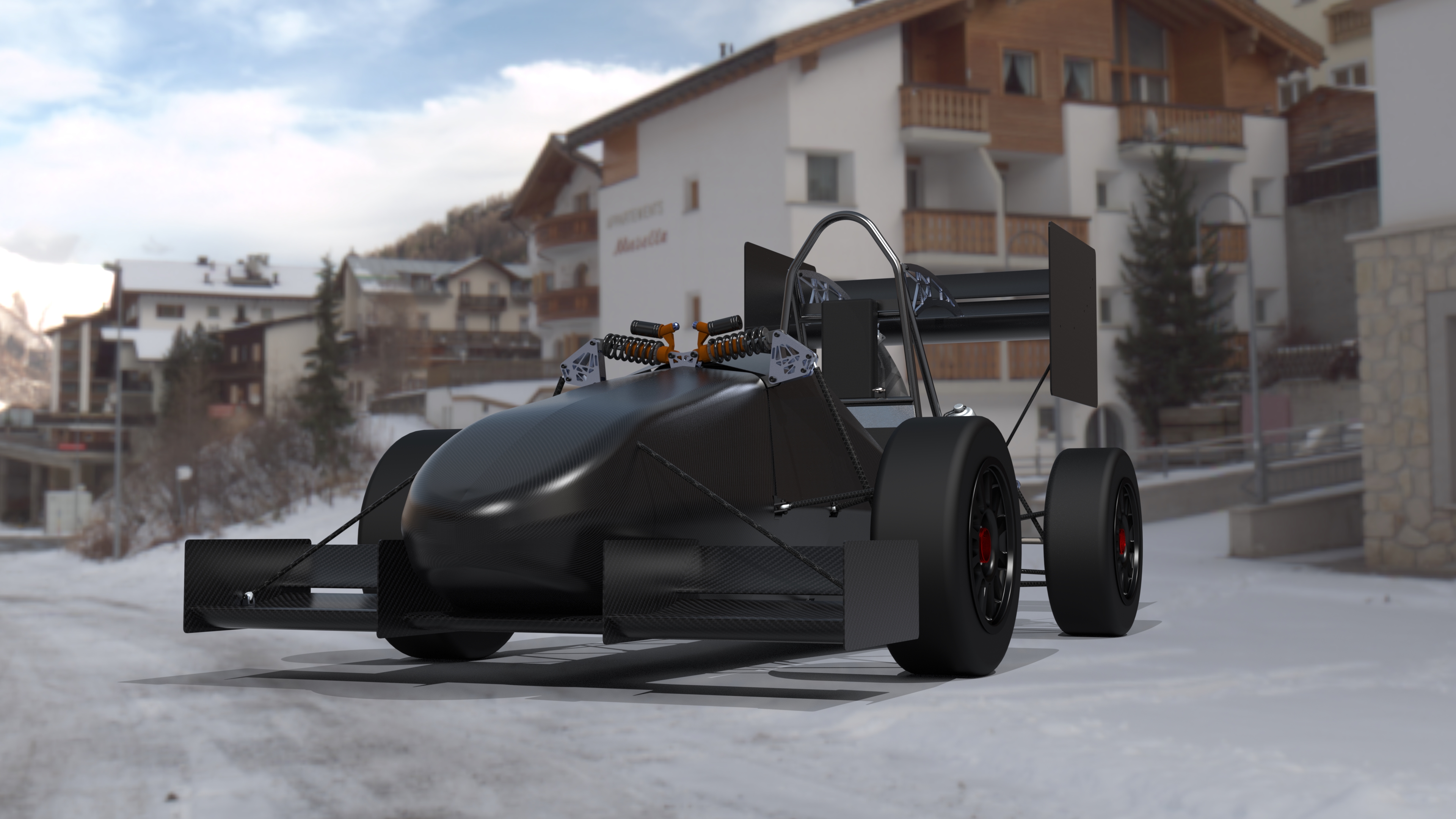
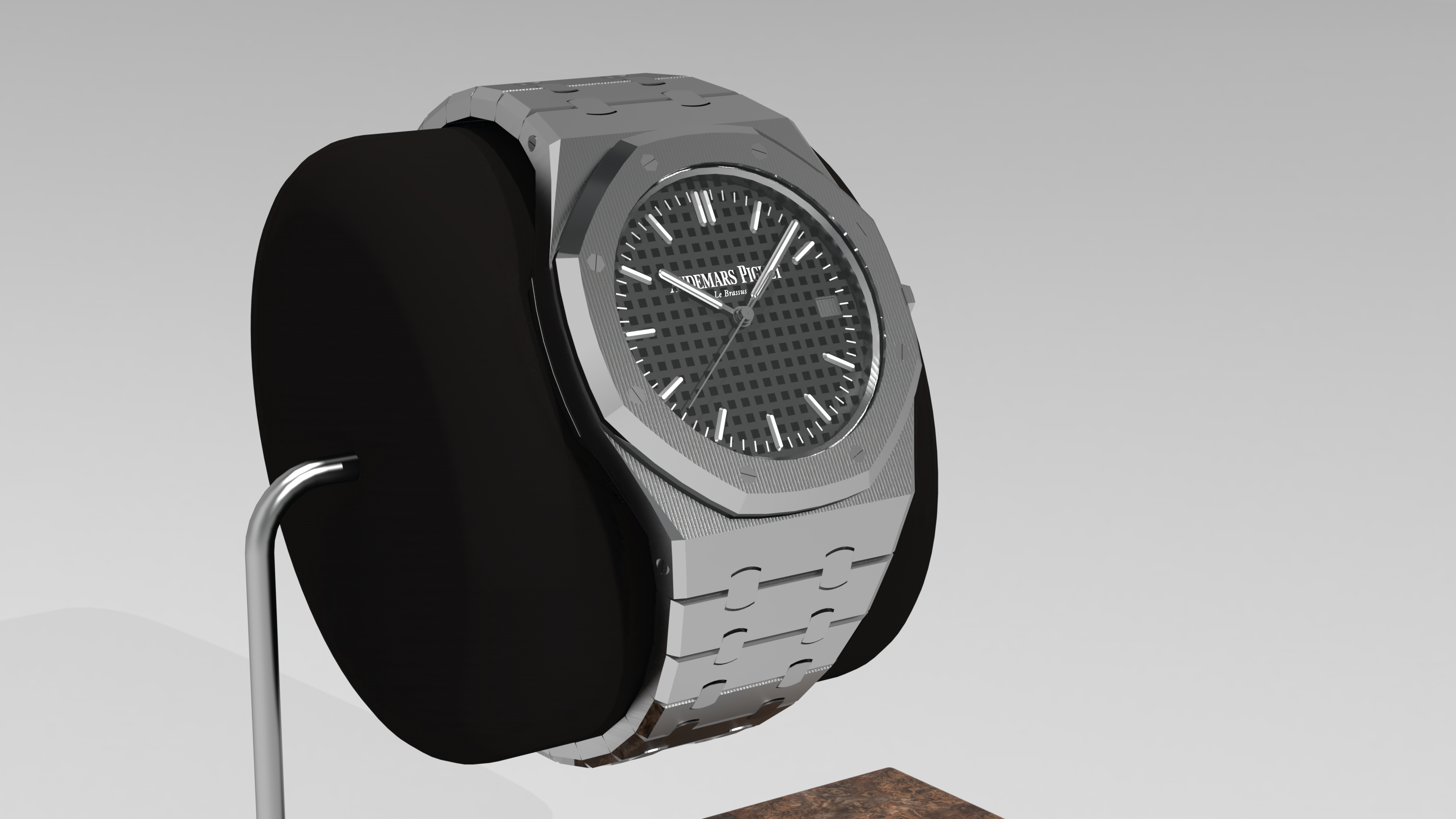
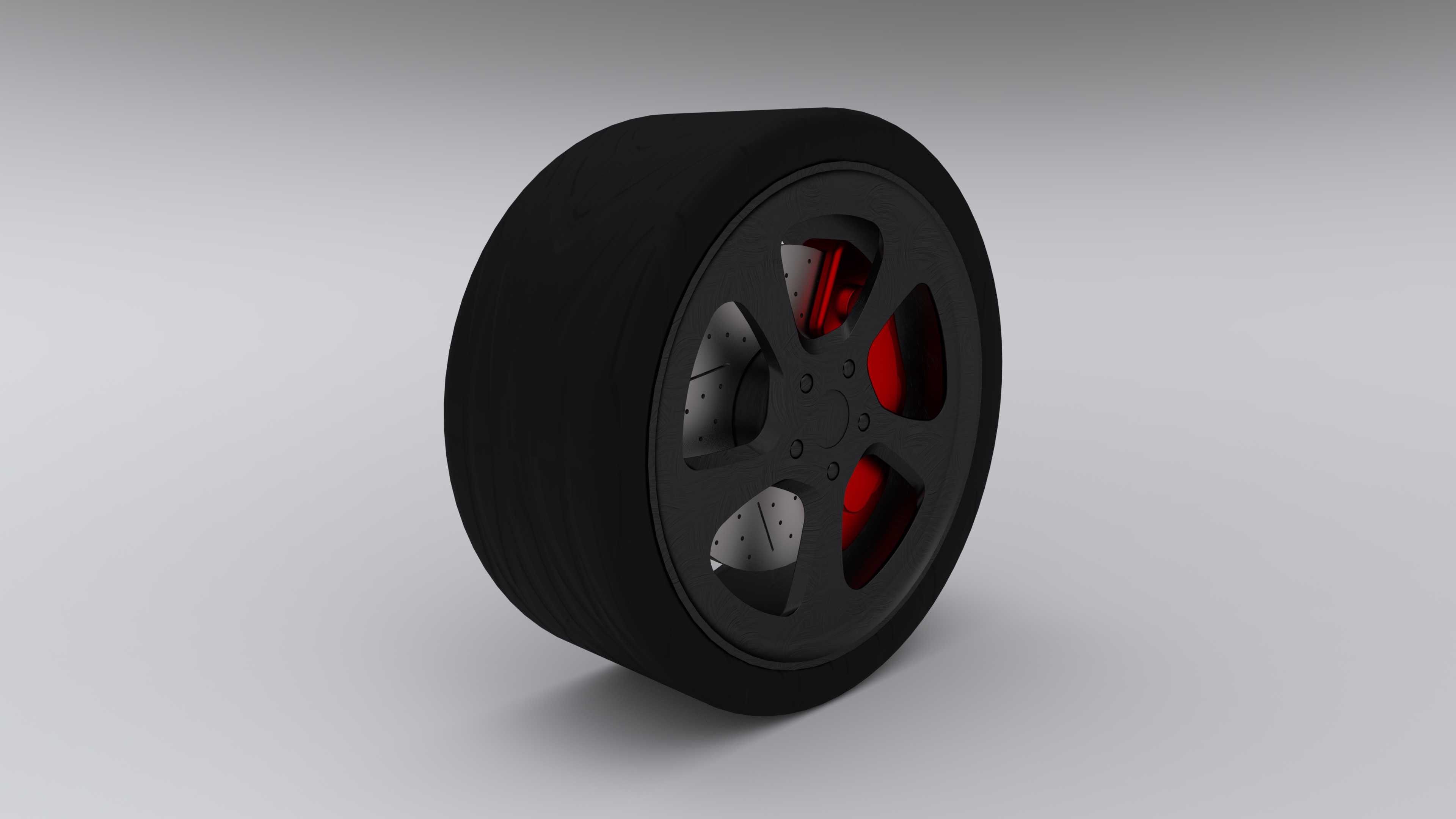
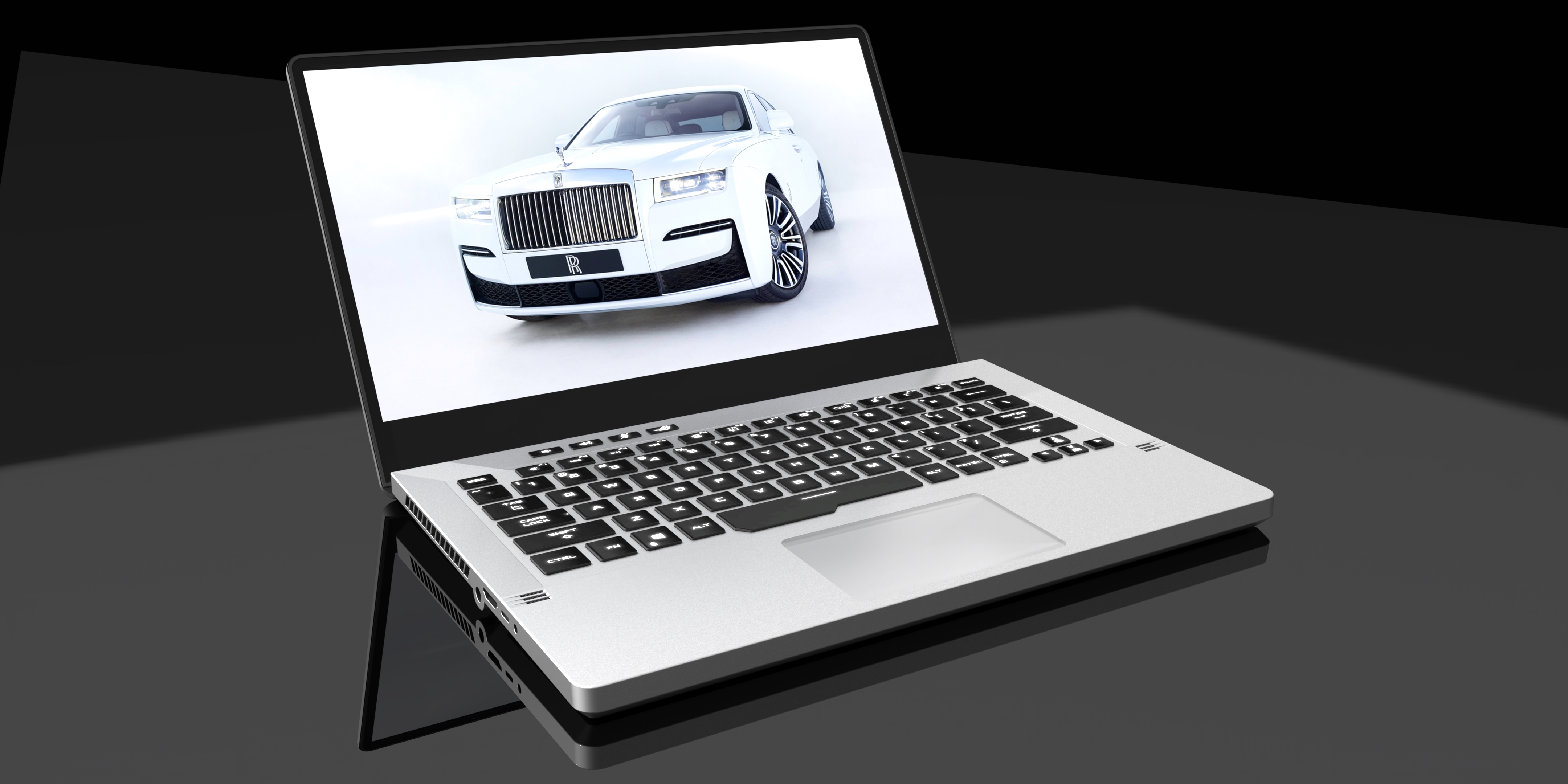
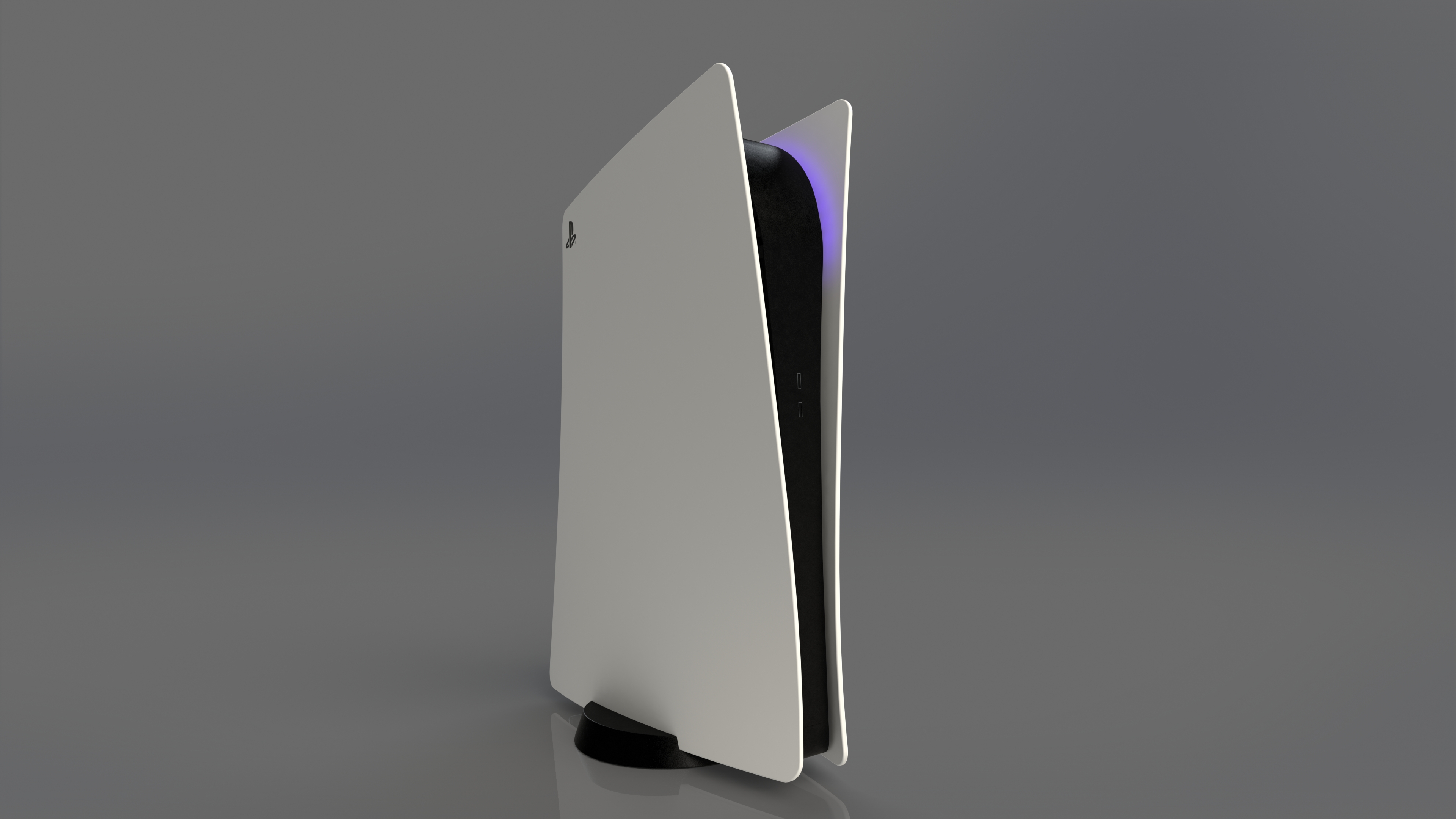
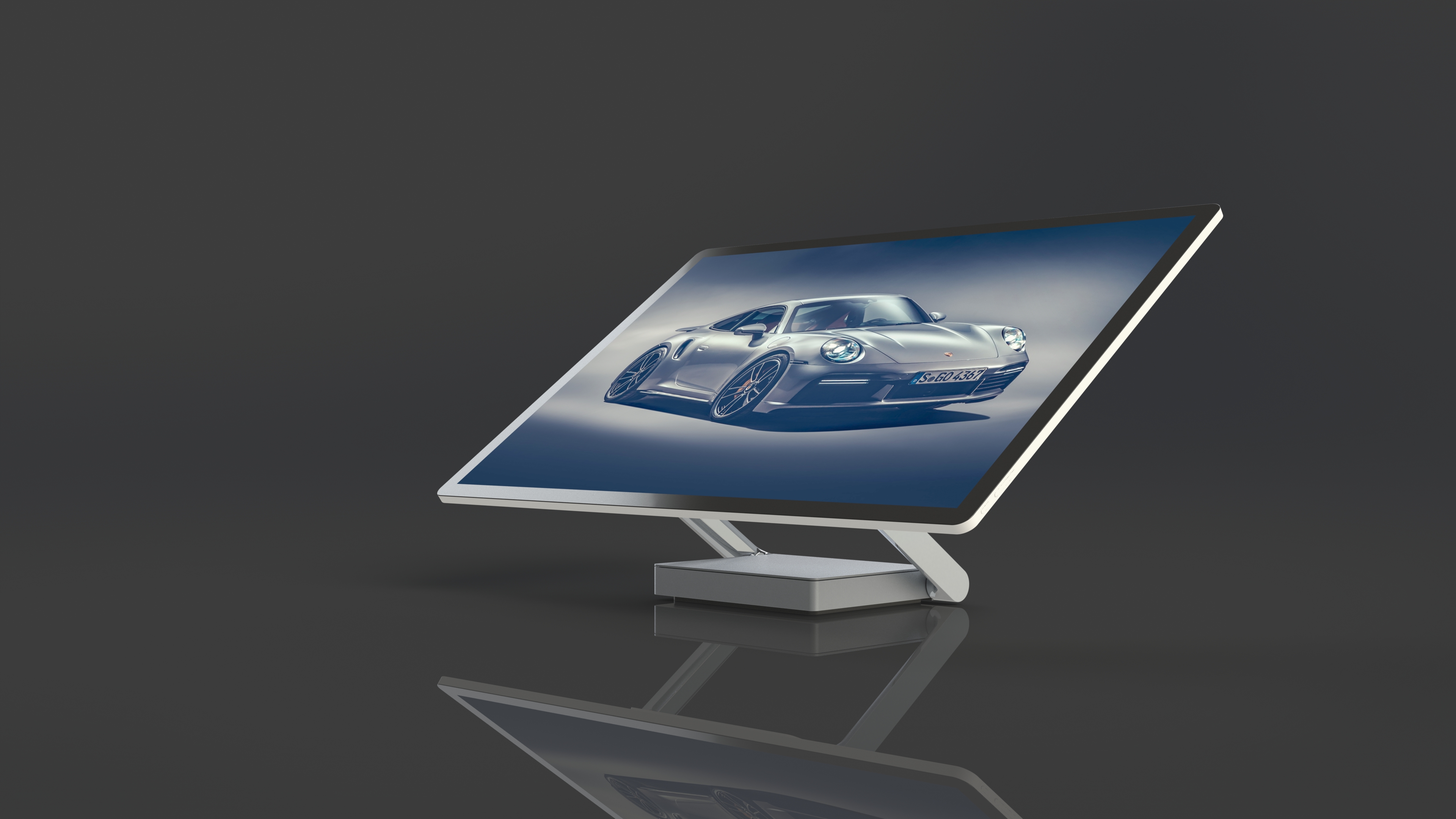
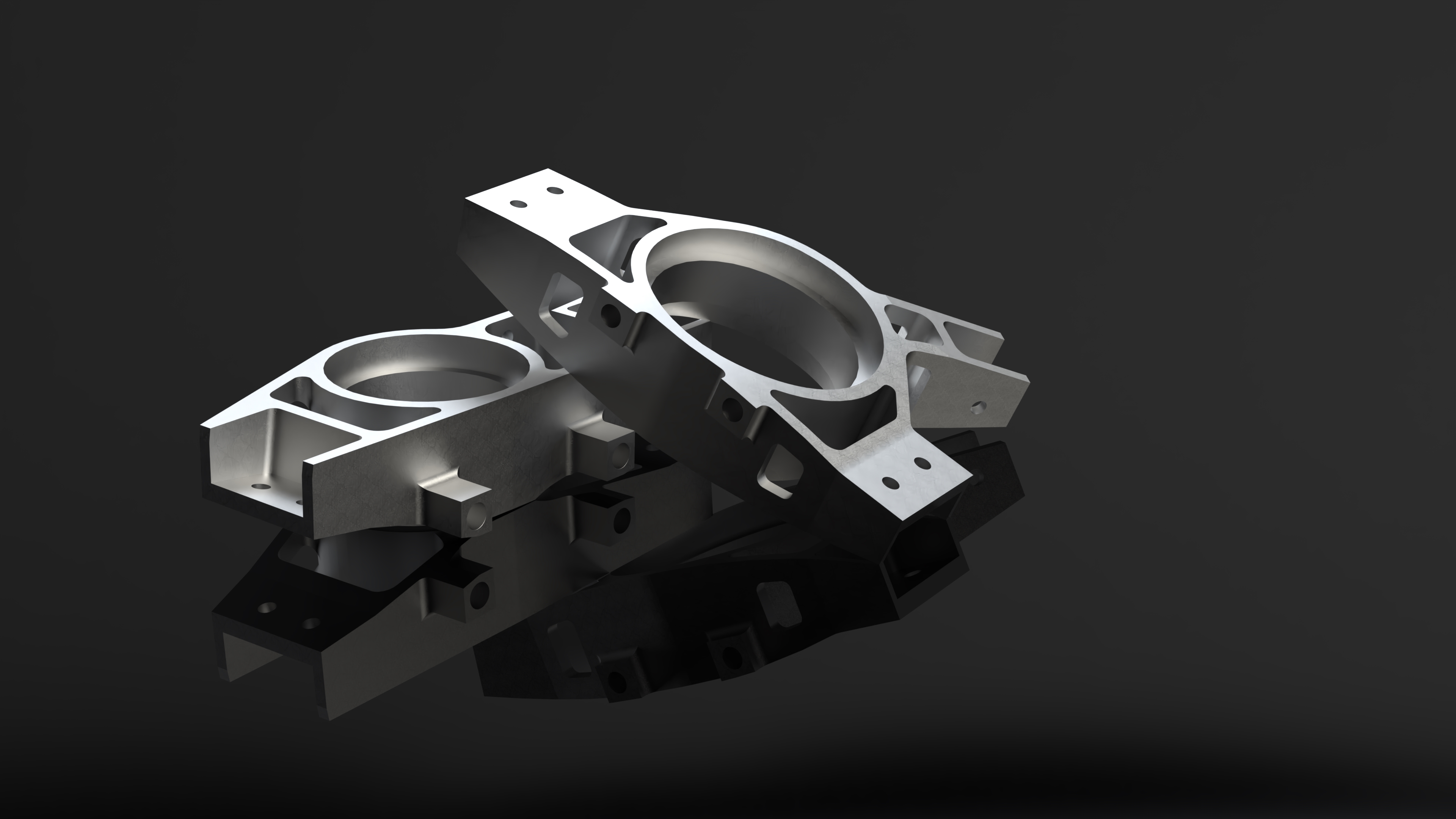
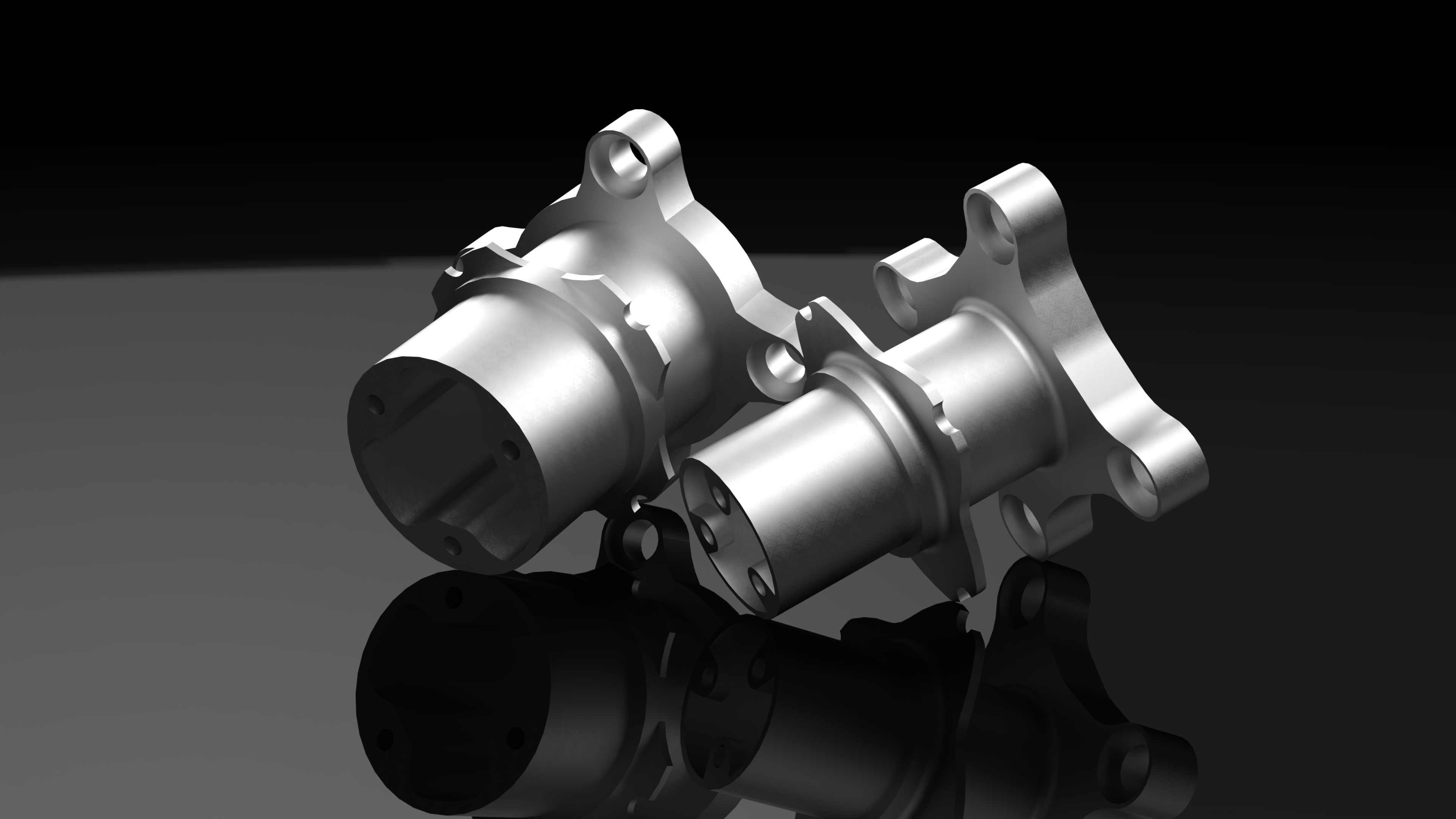
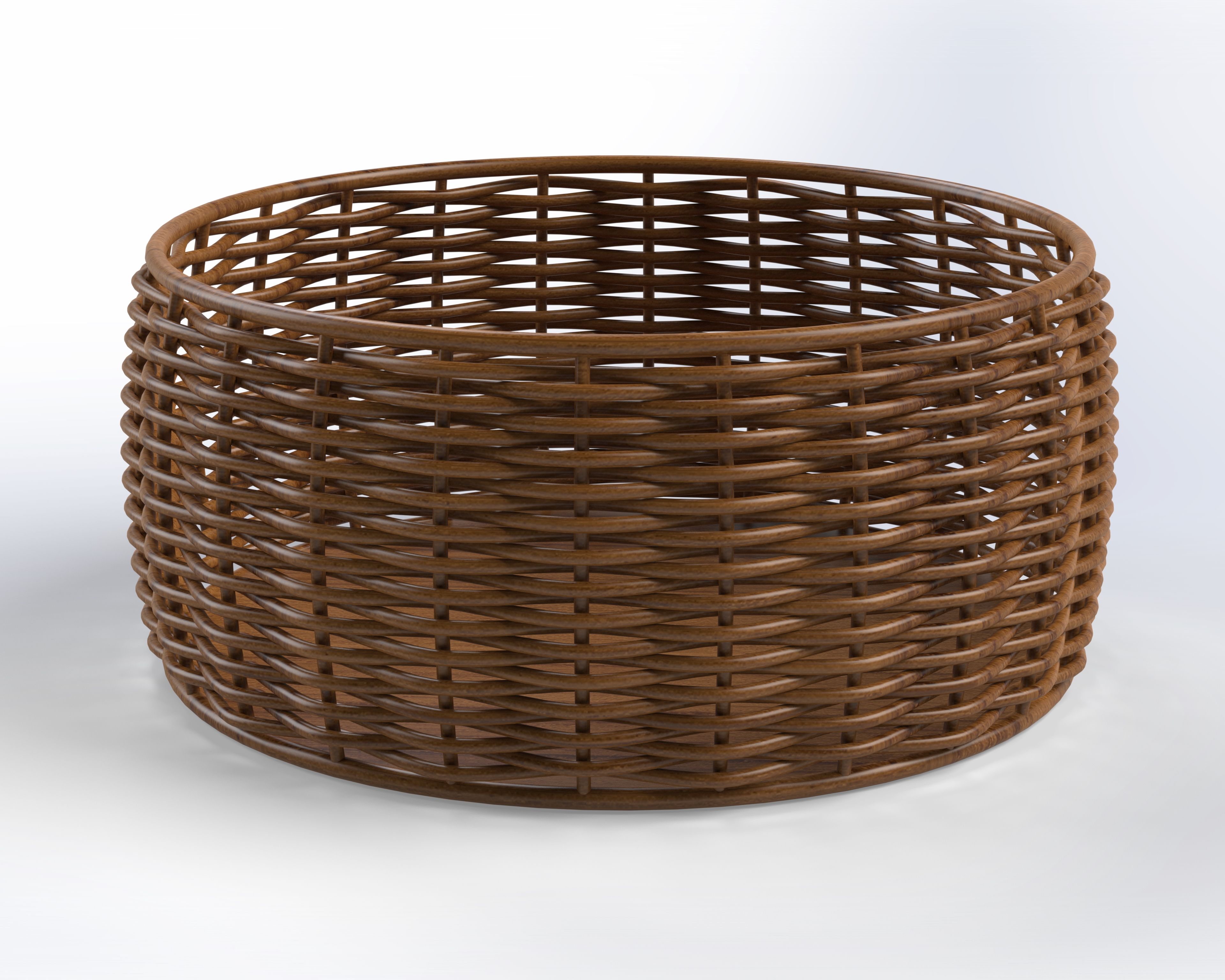
Recreations and studies made to sharpen CAD surfacing and rendering - a watch, a laptop, an all-in-one desktop, a PlayStation, a woven basket, motorsport hardware (suspension uprights, wheel hubs and a full wheel), and a Formula-style racecar.

Render of a black Formula-style racecar parked in a snowy alpine village
Render of an Audemars Piguet Royal Oak watch on a stand
Render of a performance wheel and tyre with a red brake caliper
Render of a slim laptop showing a white Rolls-Royce on screen
Render of a white PlayStation 5 console standing vertically
Render of an all-in-one desktop with a Porsche 911 on the angled screen
Render of two machined aluminium suspension uprights on a dark reflective surface
Render of machined aluminium wheel hubs
Render of a woven rattan basket - a surfacing exercise

05 Formula Student MOTORSPORT

Race Car Engineering

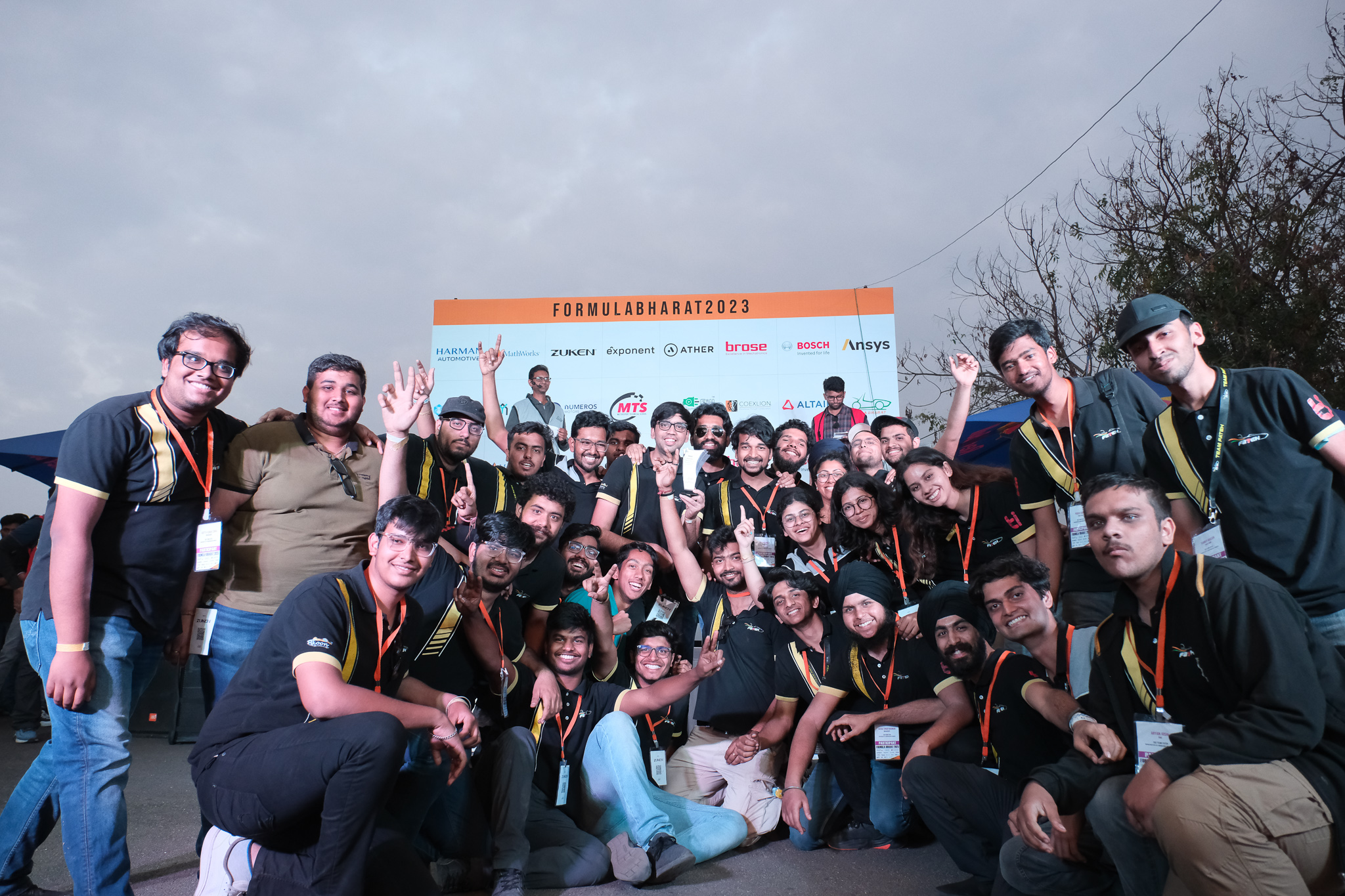
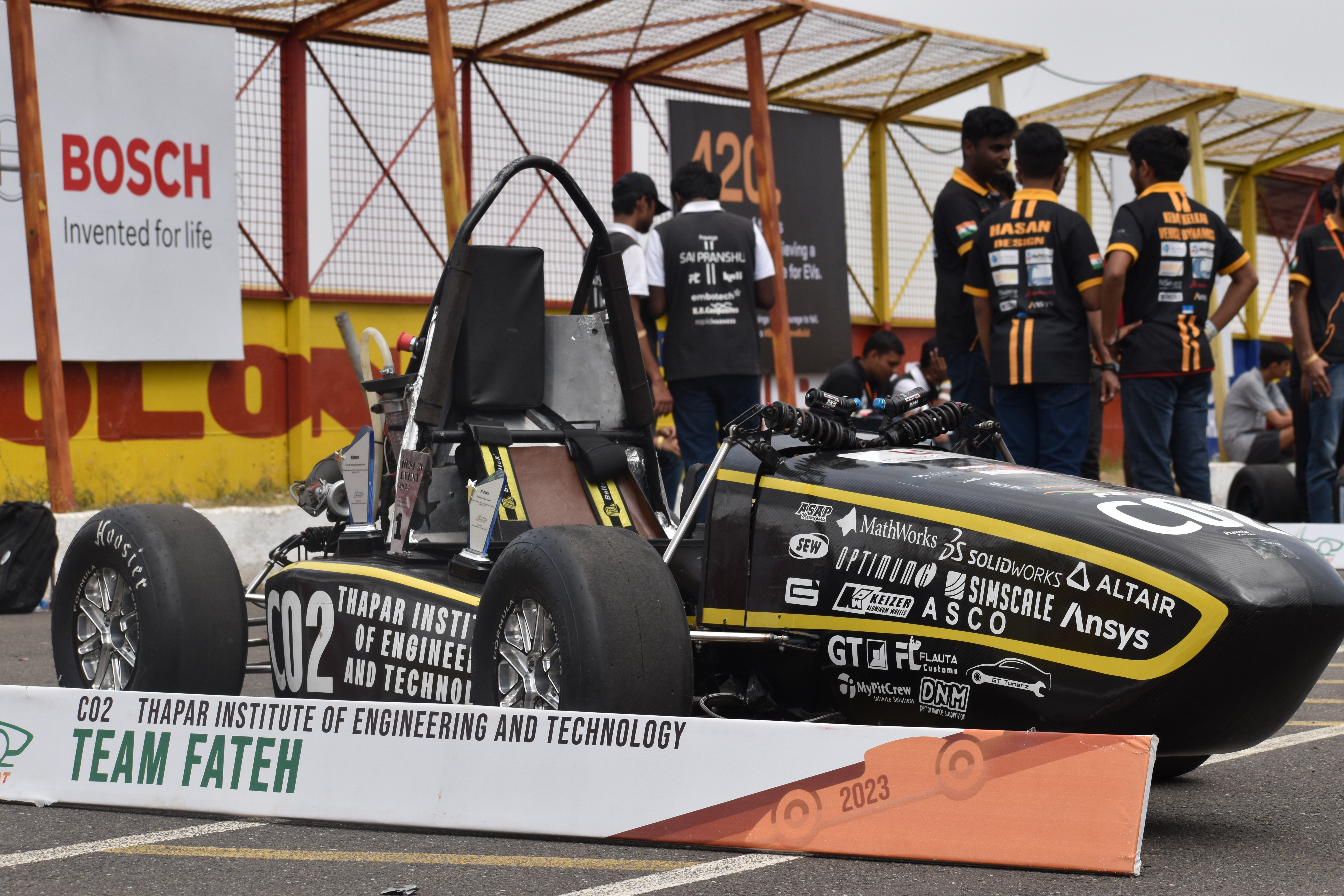
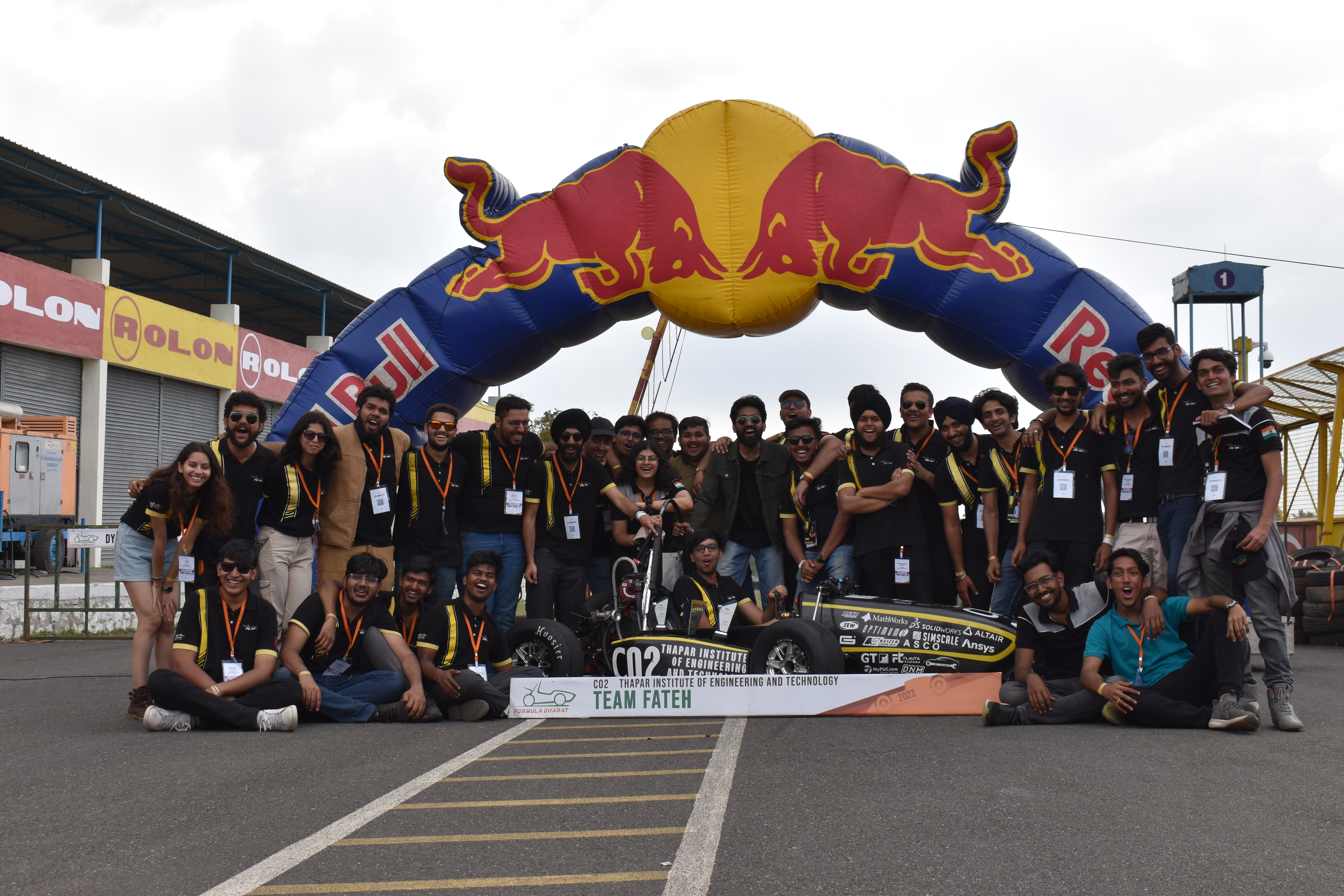
Chief Design Engineer - Powertrain / CAD Lead and Manufacturing Co-Lead. National-level recognition for engineering design.

Team Fateh CO2 Formula Student car in side profile under a Red Bull arch at Formula Bharat 2023

Formula Bharat 2023

Best Engineering Design · National Statics Winner

Formula Supra 2023

National Runner-up · Best Engineering Design

Team Fateh celebrating their national Statics win in front of the Formula Bharat 2023 board
The CO2 car in the pit area at Formula Bharat, front three-quarter view
The full Team Fateh squad gathered around the car under the Red Bull arch